Tiny AI Models Burned into Silicon Cut LHC Data Latency by 90% in 2026
CERN has deployed ultra-compact AI models embedded directly into silicon chips to filter real-time data from the Large Hadron Collider, drastically reducing latency and bandwidth demands. This breakthrough merges particle physics with edge AI, enabling unprecedented speed in detecting rare cosmic events.

Tiny AI Models Burned into Silicon Cut LHC Data Latency by 90% in 2026
summarize3-Point Summary
- 1CERN has deployed ultra-compact AI models embedded directly into silicon chips to filter real-time data from the Large Hadron Collider, drastically reducing latency and bandwidth demands. This breakthrough merges particle physics with edge AI, enabling unprecedented speed in detecting rare cosmic events.
- 2How Silicon AI Chips Reduce Latency Traditionally, CERN processed petabytes of LHC data per second using centralized computing farms.
- 3Now, AI models under 100 KB are burned into radiation-hardened FPGAs and ASICs directly at the detector level.
psychology_altWhy It Matters
- check_circleThis update has direct impact on the Bilim ve Araştırma topic cluster.
- check_circleThis topic remains relevant for short-term AI monitoring.
- check_circleEstimated reading time is 3 minutes for a quick decision-ready brief.
Tiny AI Models Burned into Silicon Cut LHC Data Latency by 90% in 2026
CERN has deployed ultra-compact AI models physically etched into silicon chips to filter real-time data from the Large Hadron Collider, slashing latency by 90% and reducing bandwidth demands by 99.9%. This breakthrough merges particle physics with edge AI, enabling unprecedented speed in detecting rare events like Higgs bosons and dark matter candidates—all within microseconds.
How Silicon AI Chips Reduce Latency
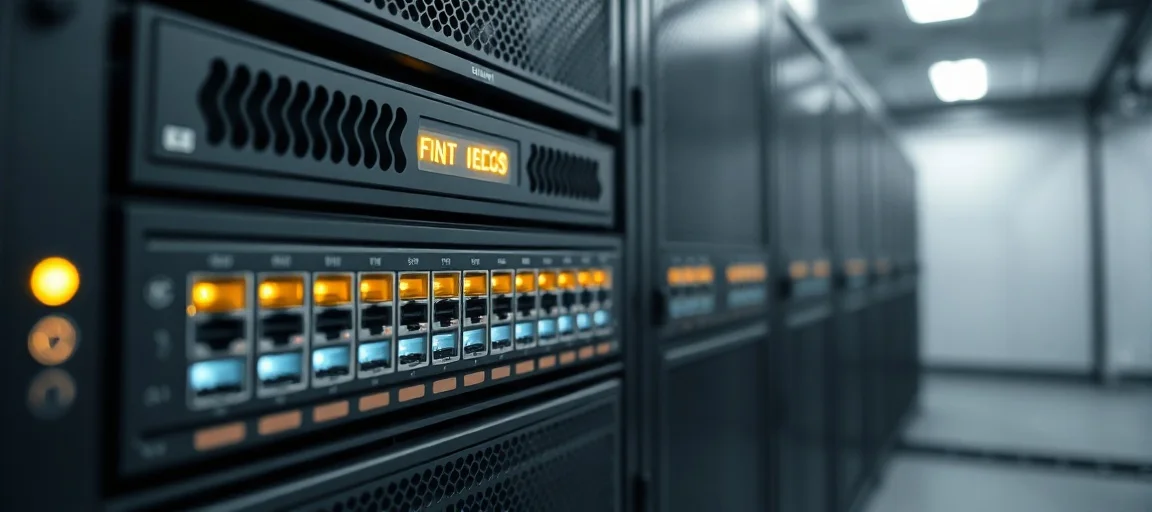
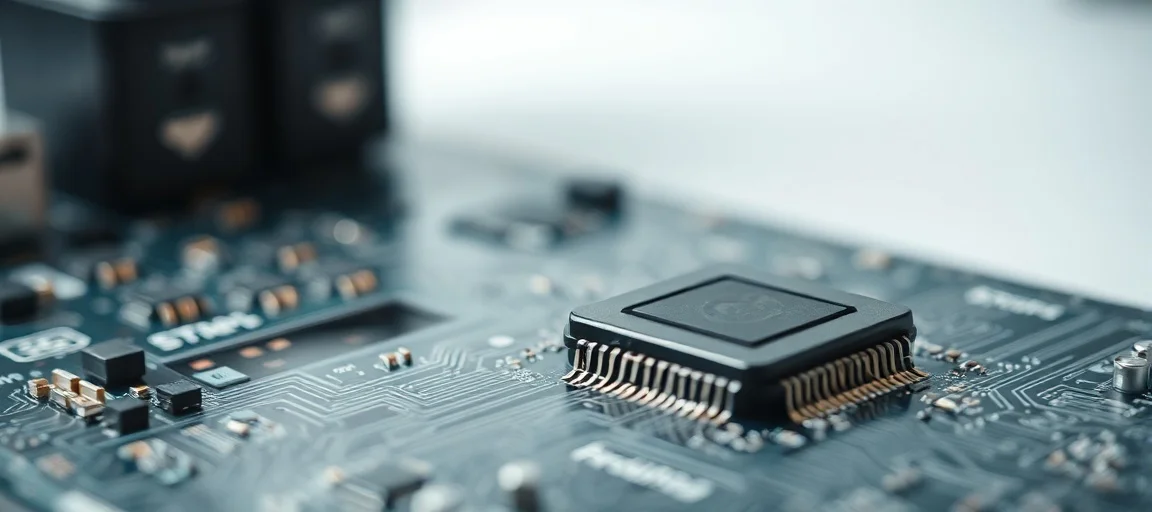
Traditionally, CERN processed petabytes of LHC data per second using centralized computing farms. Now, AI models under 100 KB are burned into radiation-hardened FPGAs and ASICs directly at the detector level. This eliminates data transmission delays, enabling inference at the edge before signals leave the sensor array.
CERN’s Edge AI Architecture
The system uses quantized neural networks optimized for low-power, high-speed inference. Each chip processes signals from thousands of detector pixels simultaneously, identifying patterns linked to exotic particles using only 2 watts of power per module. This architecture replaces multi-stage trigger systems with a single, ultra-efficient AI layer.
Real-World Impact on Particle Physics
By reducing data volume by 99.9%, CERN’s silicon AI cuts energy consumption by 40% and enables real-time detector calibration. The technology is currently live in ATLAS and CMS, with full deployment across all experiments planned by 2027. Physicists now describe detectors as "intelligent sensors" that learn what to look for—transforming data collection into active discovery.
Why This Matters Beyond Particle Physics
The same radiation-hardened, low-power AI silicon architecture is being adapted by NASA for space-based particle detectors and by medical device firms for real-time MRI analysis. Quantum computing startups are also exploring these chips for autonomous quantum sensor networks, proving that fundamental research at CERN drives innovation across industries.
The Future of Embedded Intelligence in Science
As CERN scales this technology, the paradigm has shifted: discovery no longer depends solely on bigger colliders, but on smarter, embedded intelligence. Experts predict silicon AI chips will become standard in all high-energy physics experiments by 2030—and beyond, in autonomous systems from satellites to surgical robots.
Tiny AI models burned into silicon revolutionize LHC data filtering at CERN, setting a new standard for real-time scientific discovery—and proving that the future of physics lies not just in bigger machines, but in smarter, embedded intelligence.