How Intelligent Workload Balancing Boosts Data Center Performance by 30% in 2026
Intelligent workload balancing is revolutionizing data center efficiency by optimizing flash storage usage and reducing cooling costs through AI-driven insights. This dual advancement slashes hardware demands while boosting performance.

How Intelligent Workload Balancing Boosts Data Center Performance by 30% in 2026
summarize3-Point Summary
- 1Intelligent workload balancing is revolutionizing data center efficiency by optimizing flash storage usage and reducing cooling costs through AI-driven insights. This dual advancement slashes hardware demands while boosting performance.
- 2By analyzing real-time I/O patterns, AI-driven algorithms reduce redundant operations, extend SSD longevity, and prevent thermal throttling—resulting in up to 30% higher throughput without additional hardware.
- 3Why Traditional Load Distribution Fails Modern Demands Legacy systems rely on static thresholds, often leaving 40% of SSDs underutilized while others become bottlenecks.
psychology_altWhy It Matters
- check_circleThis update has direct impact on the Bilim ve Araştırma topic cluster.
- check_circleThis topic remains relevant for short-term AI monitoring.
- check_circleEstimated reading time is 4 minutes for a quick decision-ready brief.
How Intelligent Workload Balancing Boosts Data Center Performance by 30% in 2026
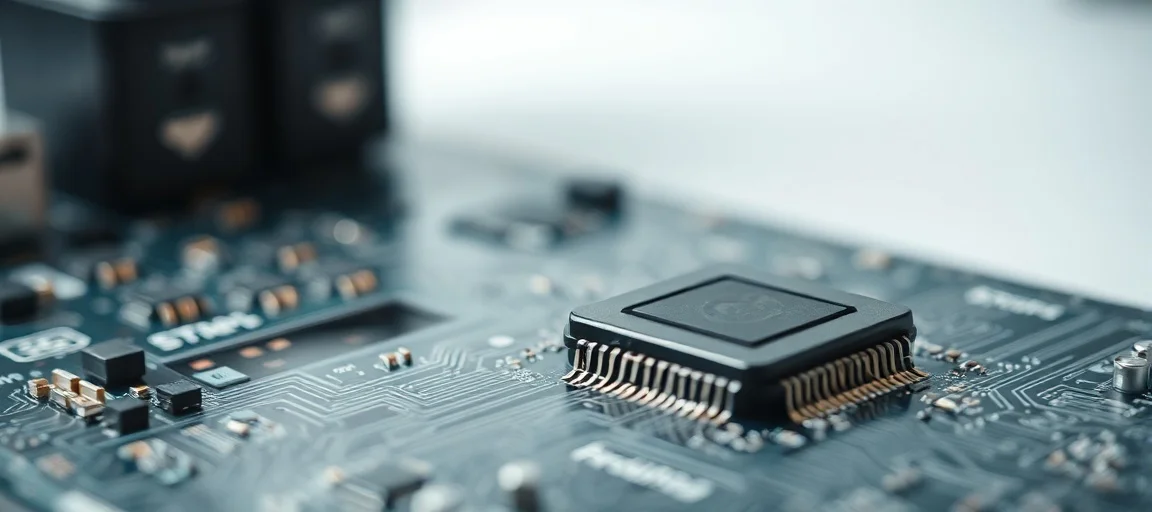
Intelligent workload balancing is revolutionizing data center efficiency by dynamically allocating computational tasks across flash storage nodes. By analyzing real-time I/O patterns, AI-driven algorithms reduce redundant operations, extend SSD longevity, and prevent thermal throttling—resulting in up to 30% higher throughput without additional hardware.
Why Traditional Load Distribution Fails Modern Demands
Legacy systems rely on static thresholds, often leaving 40% of SSDs underutilized while others become bottlenecks. This imbalance increases latency and accelerates wear on overworked drives.
Modern AI-powered load distribution algorithms adjust in milliseconds, ensuring even wear and maximizing flash storage efficiency across heterogeneous storage pools.
Real-Time Server Workload Management in Practice
Hyperscalers like Microsoft Azure and Google Cloud now embed workload management modules directly into their storage stacks. These systems predict demand spikes using historical traffic and user behavior patterns.
One enterprise reported a 28% reduction in I/O wait times after deploying adaptive server workload management, translating directly to faster application response and lower operational costs.
AI Cooling Optimization Slashes Energy Costs by 25% in 2026
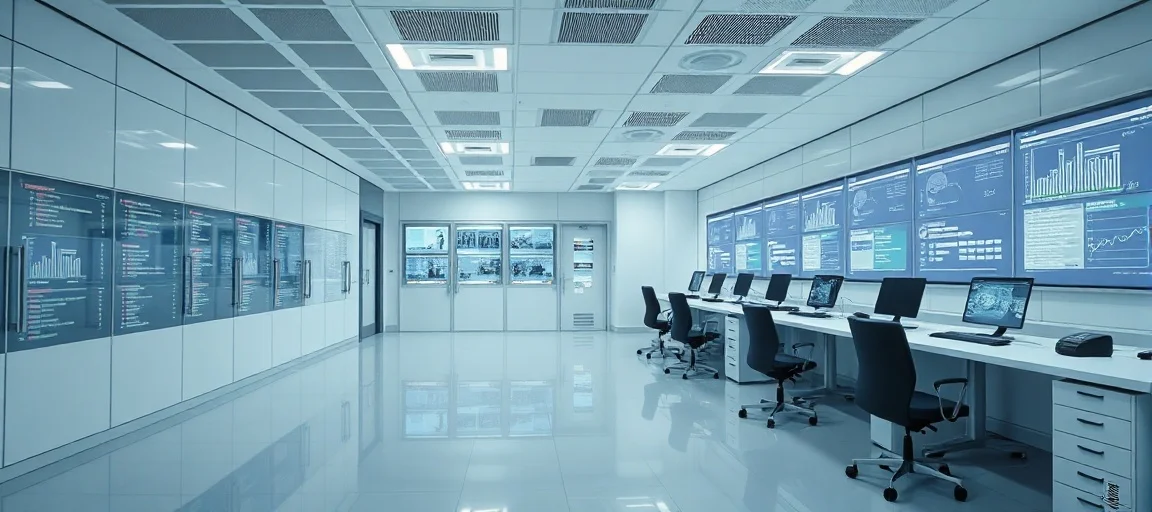
Complementing workload efficiency, AI-driven cooling systems are reducing data center energy use by up to 25% through hyper-precise thermal targeting. Instead of cooling entire facilities uniformly, these systems use real-time heat mapping and weather forecasts to adjust airflow only where needed.
How Predictive Cooling Beats Reactive Cooling
By integrating ambient temperature, humidity, and wind data, AI predicts heat buildup before it occurs. This proactive approach minimizes compressor cycles and avoids unnecessary energy expenditure.
According to a 2026 Uptime Institute study, AI-optimized cooling reduced PUE from 1.6 to 1.12 in retrofit deployments—outperforming traditional chilled-water systems.
The Synergy Between Workload and Cooling Efficiency
When intelligent workload balancing reduces server heat generation, AI cooling requires less power to maintain optimal temps. This synergy creates a compounding effect: fewer active drives mean less heat, which means less cooling, which further lowers energy bills.
Early adopters report combined energy savings of 30–35%, with some achieving near-zero thermal throttling events across their fleets.
Why This Is the New Standard for Sustainable Data Centers in 2026
As ESG mandates tighten and power costs rise, intelligent workload balancing and AI cooling are no longer optional—they’re foundational. These systems enable higher performance without expanding physical footprints, making them ideal for urban and edge data centers.
Scalability and Retrofit Compatibility
Leading vendors like Dell, HPE, and NetApp now offer AI modules as software updates, compatible with existing flash storage arrays. No hardware replacement is needed—just firmware upgrades and sensor integration.
Case Study: A Global Cloud Provider’s 2026 Results
A Tier-3 data center in Frankfurt deployed both AI workload balancing and cooling optimization in Q1 2026. Within six months:
- PUE dropped from 1.58 to 1.11
- Annual energy costs fell by $2.3M
- SSD replacement cycles extended by 2.1 years
- Carbon emissions reduced by 41%
"This isn’t optimization—it’s redefinition," said Dr. Lena Torres, Head of Infrastructure at CloudNova. "We’re doing more with less, and doing it sustainably."