AI Film 2024: Why Tech Giants Are Winning, Not Film Studios
The integration of AI into filmmaking is poised to be a transformative force in 2024, but the financial rewards may bypass traditional studios. While the technology promises efficiency, the competitive landscape suggests the real value will be captured elsewhere. This shift could redefine the very meaning of 'cinema' in the digital age.

AI Film 2024: Why Tech Giants Are Winning, Not Film Studios
summarize3-Point Summary
- 1The integration of AI into filmmaking is poised to be a transformative force in 2024, but the financial rewards may bypass traditional studios. While the technology promises efficiency, the competitive landscape suggests the real value will be captured elsewhere. This shift could redefine the very meaning of 'cinema' in the digital age.
- 2The cinematic landscape is on the cusp of a revolution driven by artificial intelligence—but the real winners in 2024 won’t be the studios you expect.
- 3While AI film 2024 tools are transforming scriptwriting, visual effects, and editing, the financial windfall is flowing to tech infrastructure providers, not traditional movie studios.
psychology_altWhy It Matters
- check_circleThis update has direct impact on the Yapay Zeka ve Toplum topic cluster.
- check_circleThis topic remains relevant for short-term AI monitoring.
- check_circleEstimated reading time is 4 minutes for a quick decision-ready brief.
The cinematic landscape is on the cusp of a revolution driven by artificial intelligence—but the real winners in 2024 won’t be the studios you expect. While AI film 2024 tools are transforming scriptwriting, visual effects, and editing, the financial windfall is flowing to tech infrastructure providers, not traditional movie studios. This isn’t just automation—it’s a fundamental restructuring of the value chain.
The Financial Divide: Tech Giants vs. Film Studios
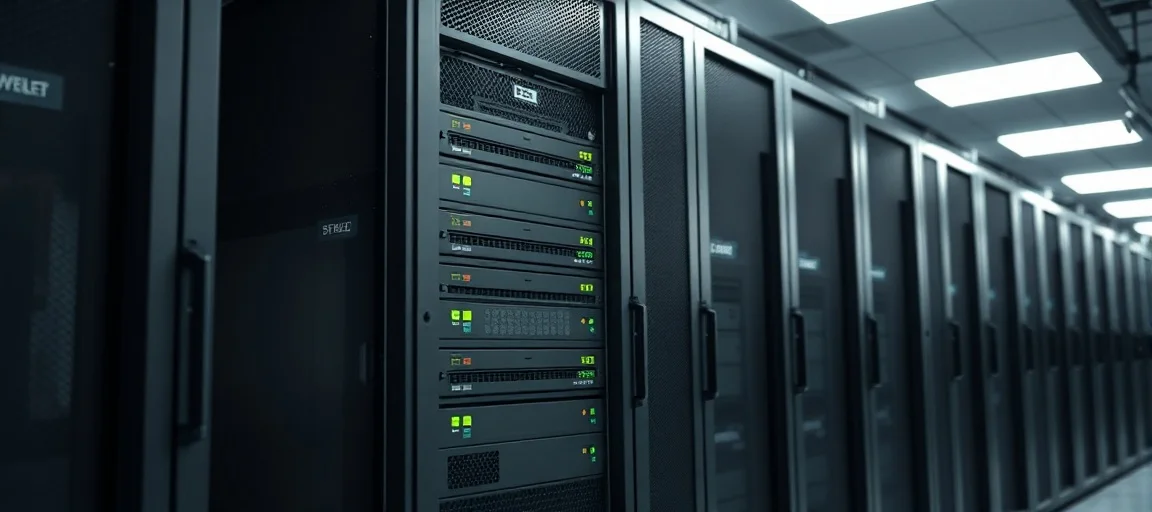
Traditional studios are investing millions in AI-powered production tools, yet their profit margins are shrinking. Why? Because the real value lies beneath the surface: in cloud computing, generative AI models, and SaaS platforms. Companies like AWS, Google Cloud, and NVIDIA aren’t just selling tools—they’re selling scalable, recurring revenue streams used by filmmakers, advertisers, game devs, and creators alike.
Why Studios Can’t Monopolize AI Advantages
When any indie creator can generate photorealistic VFX with a prompt, the competitive edge studios once bought with budgets evaporates. Cost savings from AI-driven pre-visualization or voice synthesis are often reinvested into marketing or lost in streaming price wars. The result? Higher output, lower margins.
The Hidden Revenue Engines
AI rendering farms, proprietary diffusion models, and real-time synthesis platforms are generating billions—not from box office sales, but from usage fees, API calls, and enterprise licensing. These aren’t film industry profits; they’re tech industry profits wearing a film coat.
AI Tools Reshaping Movie Production in 2024
Generative AI video models like Sora, Pika, and Runway are no longer experimental—they’re in production pipelines. Studios use them for:
- Creating digital doubles without motion capture
- Automating background environments and crowd simulations
- Re-cutting trailers in minutes using AI-driven editing tools
- Generating multilingual voiceovers for global releases
These aren’t gimmicks—they’re replacing entire departments. But who owns the tech? Not the studio. The toolmakers do.
From Film to AI-Generated Content: A Semantic Shift
The word "film" once meant celluloid. "Movie" meant studio-produced entertainment. "Cinema" implied artistry. Today, these distinctions blur. An AI-generated scene isn’t shot—it’s generated. A voice isn’t performed—it’s synthesized. The medium is changing, and with it, the definition of what constitutes a movie.
The Future of Cinema Jobs and Creative Control
Contrary to fear-mongering headlines, AI isn’t eliminating creatives—it’s redefining their roles. Scriptwriters now direct AI prompts. Editors curate AI-generated cuts. VFX artists become prompt engineers. But control is shifting: the studios that own the tech stack control the output.
Who Holds the Keys to the AI Black Box?
Open-source models are democratizing access, but proprietary models with fine-tuned cinematic datasets—like those from Adobe, Stability AI, or Meta—are becoming the new gold standard. Studios relying on these platforms risk becoming dependent, not empowered.
Will Cinema Survive the AI Boom?
Absolutely—but it may no longer be owned by Hollywood. Independent creators using affordable AI tools are producing award-worthy content outside studio systems. The future of cinema isn’t in Burbank—it’s in a bedroom with a GPU and a prompt.
In conclusion, the blockbuster of AI film 2024 isn’t the next superhero sequel—it’s the technology stack enabling it. The real profits lie with the architects of the engine, not the storytellers using it. As generative video models evolve, the film industry’s economic model is being rewritten. Studios may still release the movies, but tech firms are collecting the royalties.