AI Autonomous Agents Are Reshaping the Global Economy in 2026
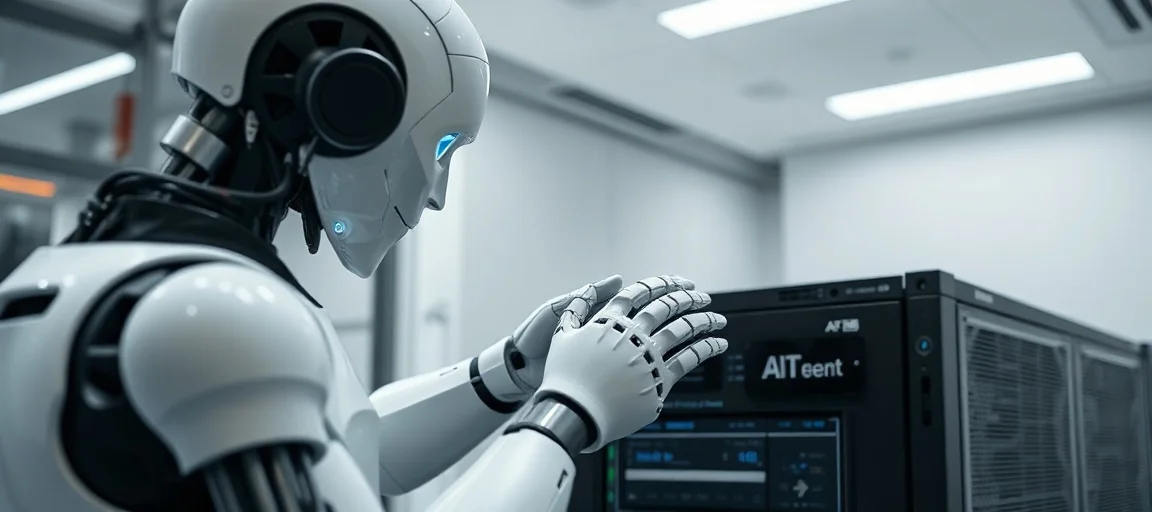
In 2026, AI autonomous agents are performing complex tasks without human intervention, revolutionizing logistics, finance, healthcare, and beyond. This is not automation—it's autonomy.

AI Autonomous Agents Are Reshaping the Global Economy in 2026
summarize3-Point Summary
- 1In 2026, AI autonomous agents are performing complex tasks without human intervention, revolutionizing logistics, finance, healthcare, and beyond. This is not automation—it's autonomy.
- 2AI autonomous agents are emerging as the cornerstone of a global economic transformation in 2026, moving far beyond passive chatbots to become self-directed, goal-driven entities capable of end-to-end decision-making.
- 3No longer mere tools that respond to queries, these agents now initiate actions, analyze dynamic environments, and execute multi-step workflows independently.
psychology_altWhy It Matters
- check_circleThis update has direct impact on the Yapay Zeka topic cluster.
- check_circleThis topic remains relevant for short-term AI monitoring.
- check_circleEstimated reading time is 2 minutes for a quick decision-ready brief.
AI autonomous agents are emerging as the cornerstone of a global economic transformation in 2026, moving far beyond passive chatbots to become self-directed, goal-driven entities capable of end-to-end decision-making. No longer mere tools that respond to queries, these agents now initiate actions, analyze dynamic environments, and execute multi-step workflows independently. According to Pam İstanbul’s 2026 guide, AI agents are now managing customer service pipelines, optimizing supply chains, forecasting financial trends, and even negotiating vendor contracts—all without human oversight.
Agentic AI: The Foundation of the Next-Generation AI Revolution
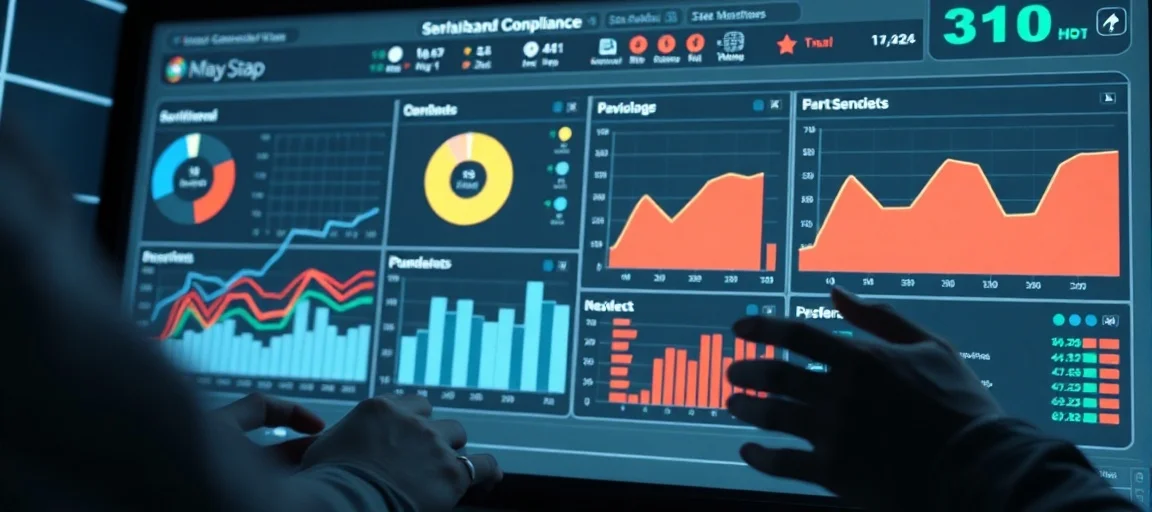
As highlighted by VBM.AI, Agentic AI represents a paradigm shift from reactive systems to proactive, context-aware agents. For instance, a single AI agent can receive a customer order, check real-time inventory, coordinate with logistics providers, generate invoices, trigger payments, and update CRM systems—all in under 90 seconds. This isn’t just efficiency; it’s error reduction of up to 70% across industries. Boğaziçi Ventures describes this evolution as the ‘Age of Autonomous Workflows,’ predicting that by 2026, over 60% of enterprise operations will be powered by such agents, fundamentally altering organizational hierarchies.
The Future of Work: Human-Agents as Strategic Partners
Furkan Morova’s 2026 guide envisions a future where humans transition from task-doers to agent-managers. Instead of performing repetitive operations, employees will design agent objectives, monitor performance metrics, and intervene only when ethical or strategic thresholds are breached. In healthcare, AI agents can triage patient records, schedule specialists, pre-authorize insurance claims, and even predict readmission risks. In finance, they detect fraud patterns, rebalance portfolios, and comply with regulatory updates autonomously. This shift is not about replacing humans—it’s about augmenting human potential with machine intelligence at scale.
AI autonomous agents are not merely technological upgrades; they are redefining the very architecture of work, commerce, and public services. By 2026, organizations that fail to integrate these agents risk obsolescence. The future belongs to those who learn to collaborate with intelligent, autonomous systems—not compete against them. The age of AI is no longer about answering questions. It’s about taking action—on its own.