Waymo Simulates Extreme Scenarios with DeepMind's AI
Autonomous vehicle pioneer Waymo is leveraging Google's DeepMind AI to create hyper-realistic virtual simulations, allowing its self-driving cars to navigate an array of unprecedented challenges. These simulations aim to test the vehicles' decision-making capabilities in scenarios ranging from natural disasters to unexpected wildlife encounters.

Waymo Leverages DeepMind AI for Hyper-Realistic Autonomous Vehicle Simulations
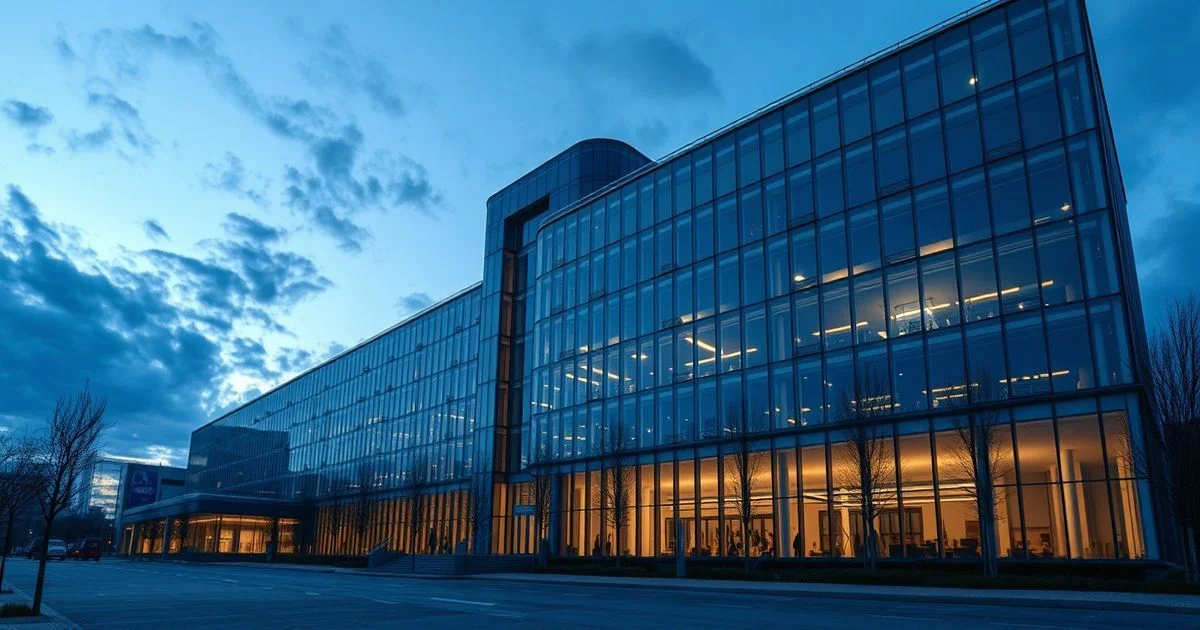
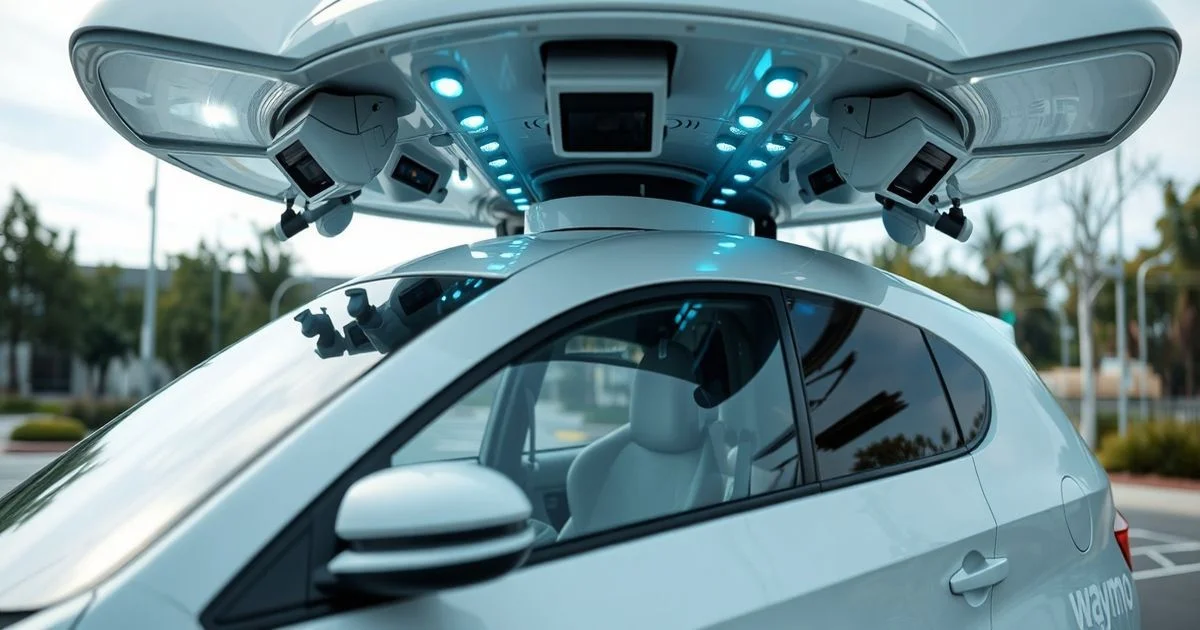
MOUNTAIN VIEW, CA – Waymo, the self-driving technology company, has announced a significant advancement in its development process: the creation of a "hyper-realistic" virtual world powered by Google's DeepMind artificial intelligence. This sophisticated simulation environment allows Waymo's autonomous vehicles (AVs) to be tested against an almost limitless spectrum of complex and even improbable scenarios, pushing the boundaries of AI-driven decision-making in real-world driving.
The core of this new capability lies in what Waymo refers to as its "World Model." This system, significantly enhanced by DeepMind's expertise, enables the generation of incredibly detailed and dynamic virtual environments. Unlike traditional simulation methods that might rely on pre-programmed routes and predictable events, Waymo's World Model can dynamically create and adapt to unforeseen circumstances. This means an autonomous vehicle could, for example, be placed in a virtual highway scenario where a massive tornado suddenly materializes in the distance. The system then analyzes how the Waymo vehicle would react, assessing its ability to detect the threat, calculate a safe course of action, and execute evasive maneuvers.
This groundbreaking approach goes beyond simply simulating common traffic situations. Waymo's simulations are designed to tackle the "edge cases" – the rare, unpredictable, and often dangerous events that human drivers might encounter but are incredibly difficult and risky to replicate in physical testing. The inclusion of scenarios like encountering large animals, such as an elephant on a lonely stretch of highway, or navigating through extreme weather conditions like tornados, highlights the ambition of this virtual testing ground. These are situations that demand not just adherence to traffic laws but also a nuanced understanding of physics, environmental factors, and potential risks.
The collaboration with DeepMind, a leader in artificial intelligence research, is crucial to the realism and complexity of these simulations. DeepMind's advanced AI models can contribute to generating more naturalistic behaviors for other simulated road users (pedestrians, cyclists, and other vehicles) and creating more dynamic environmental effects. This allows Waymo to train its AVs in a controlled yet highly variable setting, accelerating the pace of development and ensuring a higher level of safety before vehicles are deployed on public roads.
While the specifics of the World Model's architecture and the exact contributions of DeepMind remain proprietary, the objective is clear: to expose the Waymo system to a wider range of driving challenges than ever before. This extensive virtual testing aims to build a robust and reliable autonomous driving system capable of handling an immense diversity of real-world conditions, from the mundane to the extraordinary. The ultimate goal is to ensure that Waymo's vehicles can operate safely and efficiently, regardless of the unpredictable nature of the environment.
This development signifies a critical step forward in the ongoing quest for fully autonomous transportation. By simulating the unimaginable, Waymo and DeepMind are working to make the future of driving not just a possibility, but a safe and predictable reality.