States Hit Pause on Data Center Growth Amidst Energy & Climate Woes
A growing number of US states, spanning the political spectrum, are now contemplating or enacting pauses on new data center construction. These legislative moves are driven by escalating concerns over energy consumption, high electricity prices, and the environmental impact of these massive digital infrastructure hubs.

States Hit Pause on Data Center Growth Amidst Energy & Climate Woes
A wave of legislative proposals across the United States is signaling a potential slowdown in the relentless expansion of data centers. Both states traditionally aligned with conservative and liberal political ideologies are now introducing measures to halt or significantly scrutinize new data center developments. This bipartisan concern is primarily fueled by a confluence of anxieties surrounding the sector's substantial energy demands, the rising cost of electricity, and the broader implications for climate change mitigation efforts.
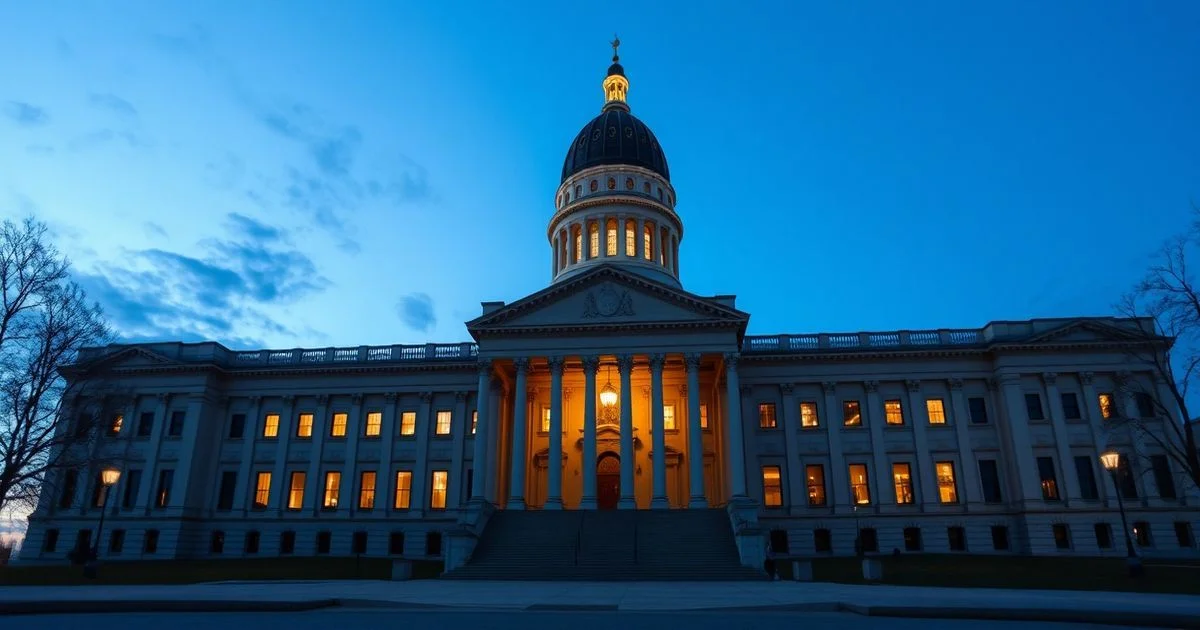
According to reporting from WIRED, the state of New York is the latest to join this growing chorus of concerned jurisdictions. Legislation is being considered that could place a moratorium on the construction of new data centers, a move that reflects a broader national trend. This isn't an isolated incident; similar legislative initiatives have emerged in various states in recent weeks, indicating a widespread recognition of the challenges posed by the proliferation of these digital infrastructure facilities.
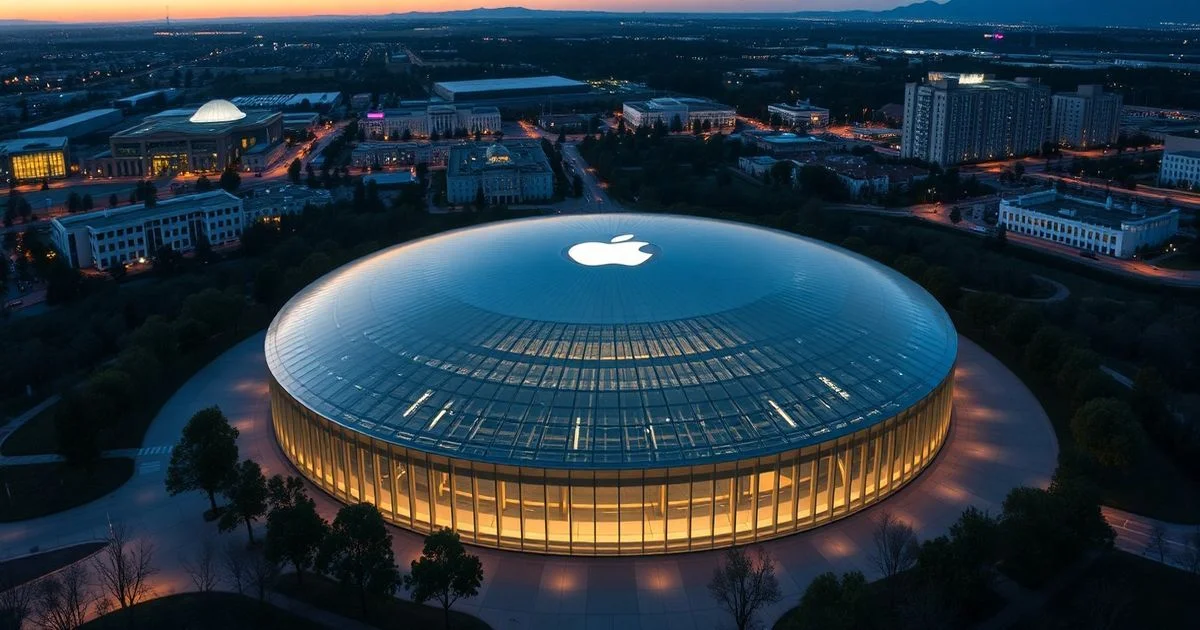
The core of the debate revolves around the immense power requirements of data centers. These facilities, which house the servers and networking equipment that power the internet, cloud computing, and artificial intelligence, are voracious consumers of electricity. As the demand for digital services continues to surge, so too does the need for more data center capacity, placing an unprecedented strain on existing energy grids. This increased demand can, in turn, contribute to higher energy prices for residential and commercial consumers alike, a point of contention for many state lawmakers and their constituents.
Beyond the immediate economic impact of energy costs, environmental advocates and increasingly, policymakers, are pointing to the significant carbon footprint associated with powering these facilities. The reliance on fossil fuels for electricity generation means that the expansion of data centers can directly contribute to greenhouse gas emissions, running counter to state and national climate goals. This has led to a critical re-evaluation of where and how these critical digital infrastructure components are built.
While the exact nature of the proposed legislation varies from state to state, the underlying sentiment is consistent: a need to pause and reassess the current trajectory of data center growth. Some proposals may involve outright bans on new construction for a specified period, allowing time for comprehensive environmental and energy impact studies. Others might introduce stricter permitting processes, mandating that new facilities meet higher standards for energy efficiency, renewable energy sourcing, or even water usage, given that cooling systems in data centers can also be highly water-intensive.
The implications of these potential pauses are far-reaching. The technology sector, heavily reliant on data center capacity for its operations and innovation, will need to adapt to a landscape where expansion might become more challenging. Companies that have been eager to build new facilities to capitalize on the booming demand for digital services may face delays or increased regulatory hurdles. This could also spur innovation in more energy-efficient computing technologies and a greater push towards renewable energy solutions for the data center industry.
The discussion around the 'new' keyword in programming, as highlighted in a technical context on Stack Overflow, might seem distant from the geopolitical and environmental concerns of data center development. However, the underlying principle of 'new' – representing the creation of something novel and functional – is precisely what drives the demand for data centers. The 'new' keyword in JavaScript, for instance, is used to instantiate objects, initiating new instances of a class. Similarly, the 'new' data centers being considered for construction are intended to instantiate new capacities for digital operations. Yet, the current legislative environment suggests that the creation of these 'new' digital infrastructures is now being met with a more cautious and critical 'new' approach from state governments, prioritizing sustainability and affordability alongside technological advancement.
As more states grapple with these complex issues, the future of data center development in the United States appears to be at a critical juncture. The industry's rapid growth may be tempered by a growing demand for responsible expansion, balancing the insatiable appetite for digital services with the pressing realities of energy sustainability and climate action.