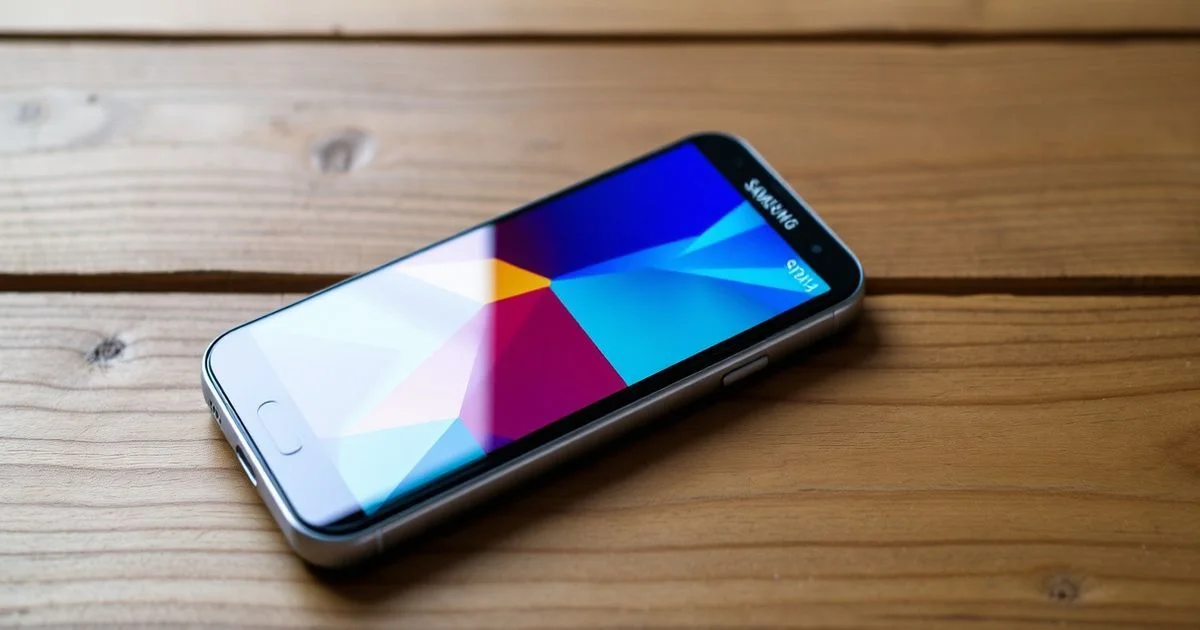
Old Android Phones Find New Life as Smart Home Sound Sensors
Discarded Android devices can be repurposed into sophisticated sound sensors, offering a cost-effective and eco-friendly enhancement to smart home ecosystems. This innovative approach leverages existing technology to provide enhanced home monitoring capabilities.
In an era of rapid technological advancement, the lifespan of electronic devices often feels frustratingly short. However, a growing movement is challenging this disposable culture by finding ingenious new uses for our outdated gadgets. One such innovative application, as highlighted by xda-developers.com, involves transforming an old Android smartphone into a dedicated sound sensor for the modern smart home.
This repurposing offers a compelling solution for individuals seeking to expand their home automation capabilities without incurring the expense of dedicated, single-purpose smart devices. The inherent capabilities of a smartphone, particularly its sensitive microphone and processing power, make it an ideal candidate for such a role. By dedicating an older device to this function, users can unlock a new layer of environmental awareness within their homes.
The concept hinges on the principle that even a seemingly obsolete smartphone possesses advanced sensors and connectivity that can be harnessed for specific tasks. The microphone, a fundamental component of any mobile phone, is remarkably capable of picking up a wide range of auditory cues. When integrated into a smart home system, these sound inputs can be analyzed to detect various events, ranging from simple appliance operation to more critical situations.
For instance, a repurposed Android phone could be programmed to recognize the distinct sounds associated with a smoke alarm, a water leak, or even a baby crying. This proactive detection can trigger immediate alerts to the homeowner's primary device, allowing for swift intervention and potentially preventing significant damage or distress. The ability to distinguish between different sound profiles adds a layer of intelligence that goes beyond basic ambient noise detection.
Furthermore, the integration into a smart home ecosystem is often facilitated by readily available applications. These apps can leverage the phone's Wi-Fi capabilities to communicate with other smart devices and platforms, such as Google Assistant or Amazon Alexa. This interoperability ensures that the sound sensor can seamlessly become part of an existing automated routine. For example, a detected sound could be configured to trigger lights, send notifications, or even activate other connected appliances.
The environmental benefits of this approach are also noteworthy. Instead of contributing to e-waste by discarding perfectly functional hardware, users are extending the product's lifecycle. This not only reduces the demand for new manufacturing but also conserves the resources and energy required to produce new devices. It represents a tangible step towards a more sustainable and circular economy in the technology sector.
Implementing such a system typically involves a few key steps. Firstly, the old Android phone needs to be reset to its factory settings to ensure a clean slate and optimal performance for its new dedicated function. Next, a suitable application must be installed from the Google Play Store. Numerous apps are available that are specifically designed for turning phones into security cameras, baby monitors, or, in this case, sound sensors. These applications often provide customizable settings, allowing users to fine-tune the sensitivity of the microphone and define the specific sounds they wish to monitor.
Once the app is configured, the phone can be strategically placed in a location where it can effectively capture ambient sounds. Power management is also a consideration; while the phone will need to be plugged in continuously, many older devices are still efficient enough to manage this without excessive energy consumption. The overall cost-effectiveness is undeniable when compared to purchasing dedicated smart home sensors for each desired function.
As smart home technology continues to evolve, the ingenuity of users in finding novel applications for existing devices is a testament to the flexibility and potential of these platforms. The transformation of an old Android phone into a sound sensor is a prime example of how we can embrace sustainability and enhance our living spaces simultaneously, proving that even yesterday's technology can illuminate tomorrow's homes.