Europe’s Largest Physical AI Training Center Opens in Munich | Neura & TUM
Neura Robotics and the Technical University of Munich have opened Europe’s largest physical AI training center, a €17 million facility designed to accelerate humanoid robot development. The initiative aims to bolster Europe’s competitiveness in the global AI robotics race.

Europe’s Largest Physical AI Training Center Opens in Munich | Neura & TUM
summarize3-Point Summary
- 1Neura Robotics and the Technical University of Munich have opened Europe’s largest physical AI training center, a €17 million facility designed to accelerate humanoid robot development. The initiative aims to bolster Europe’s competitiveness in the global AI robotics race.
- 2Located in Munich, this landmark initiative marks a strategic shift in Europe’s quest to lead in physical AI — a field long dominated by U.S.
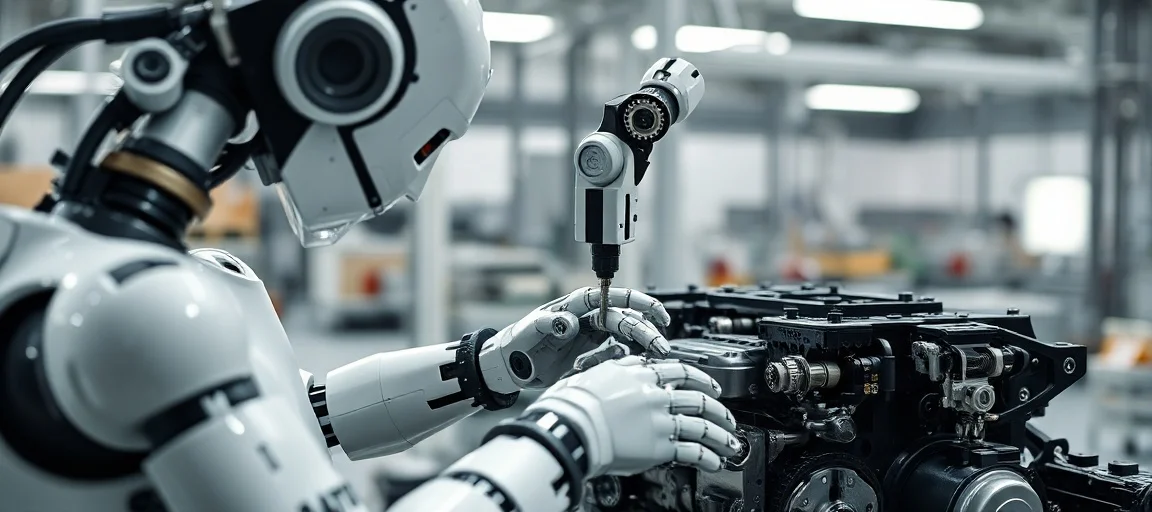
- 3How the Center Trains Humanoid Robots The facility houses over 50 advanced humanoid platforms, each equipped with sensors, actuators, and real-time learning algorithms.
psychology_altWhy It Matters
- check_circleThis update has direct impact on the Robotik ve Otonom Sistemler topic cluster.
- check_circleThis topic remains relevant for short-term AI monitoring.
- check_circleEstimated reading time is 3 minutes for a quick decision-ready brief.
Europe’s Largest Physical AI Training Center Opens in Munich | Neura & TUM
Neura Robotics and the Technical University of Munich (TUM) have unveiled Europe’s largest physical AI training center — a €17 million facility designed to train humanoid robots using real-world environments. Located in Munich, this landmark initiative marks a strategic shift in Europe’s quest to lead in physical AI — a field long dominated by U.S. and Asian tech giants.
How the Center Trains Humanoid Robots
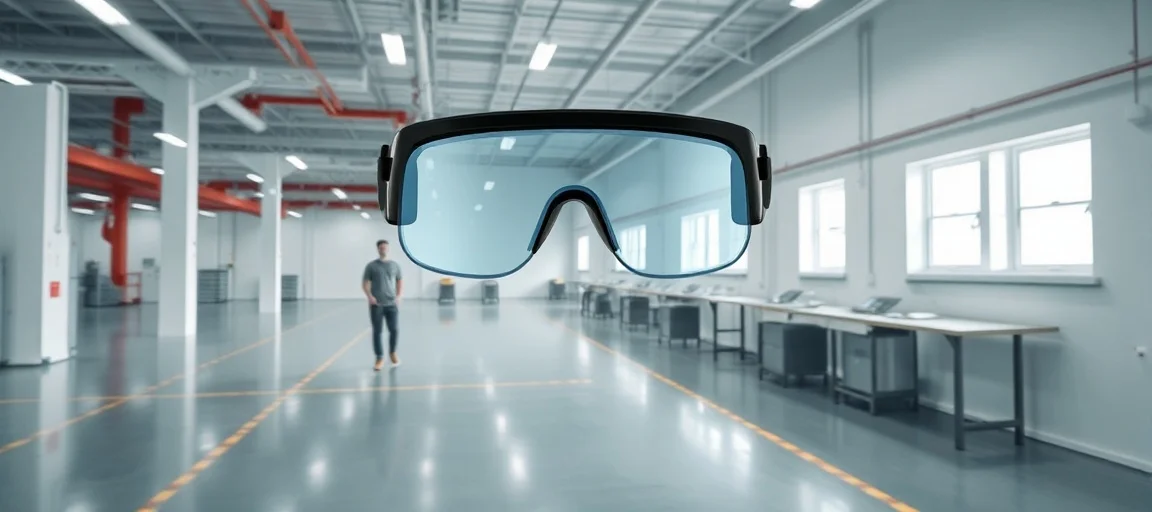
The facility houses over 50 advanced humanoid platforms, each equipped with sensors, actuators, and real-time learning algorithms. Unlike simulation-only approaches, robots here learn through embodied experience in a simulated urban neighborhood featuring stairs, doorways, cluttered rooms, and dynamic human traffic.
Funding and Partnerships
Backed by the Bavarian Ministry of Economic Affairs and European Union innovation grants, the center combines public funding with private-sector innovation. Its unique feedback loop model integrates robotic performance data directly into AI model updates, cutting training time by up to 40% compared to traditional methods.
Real-World Applications in Healthcare and Logistics
Early projects include assistive robots for elderly care developed with healthcare providers, and warehouse navigation systems trained to handle unpredictable human movement. These applications demonstrate the center’s mission: to build robots that understand human unpredictability, not just mimic it.
Building Europe’s AI Talent Pipeline
The center will host international fellowships and open-access training programs for EU startups, aiming to create a homegrown robotics talent pool capable of rivaling Silicon Valley. Over 200 researchers and engineers are expected to be trained annually, with pilot programs launching in Q3 2026.
Neura Robotics CEO Elena Vogel stated, "Physical AI is not about mimicking humans — it’s about understanding them. This center is where theory meets touch, where algorithms learn from friction, gravity, and human unpredictability."
As global competition intensifies, Europe’s investment in physical AI infrastructure signals a strategic pivot toward sovereign technological capability. The Munich center doesn’t just train robots — it trains a future.