Apple's New AirTag: Enhanced Range and Sound for Smarter Tracking
Apple's second-generation AirTag boasts significant improvements in finding range and audio alerts, building upon its predecessor's discreet design and user-friendly setup. While the core functionality remains, the latest iteration aims to offer a more robust and reliable tracking experience for Apple users.

Apple's New AirTag: Enhanced Range and Sound for Smarter Tracking
Apple's second-generation AirTag boasts significant improvements in finding range and audio alerts, building upon its predecessor's discreet design and user-friendly setup. While the core functionality remains, the latest iteration aims to offer a more robust and reliable tracking experience for Apple users.
Apple has quietly refined its popular item tracker with the release of its second-generation AirTag. While visually almost indistinguishable from the original, this latest iteration packs key internal upgrades designed to enhance the user experience. According to Engadget's review, the new AirTag features a second-generation ultra-wideband (UWB) chip, which significantly boosts its Precision Finding range by up to 50 percent when paired with an iPhone 15 or newer. This upgrade makes locating misplaced items more efficient, especially in larger or more complex environments.
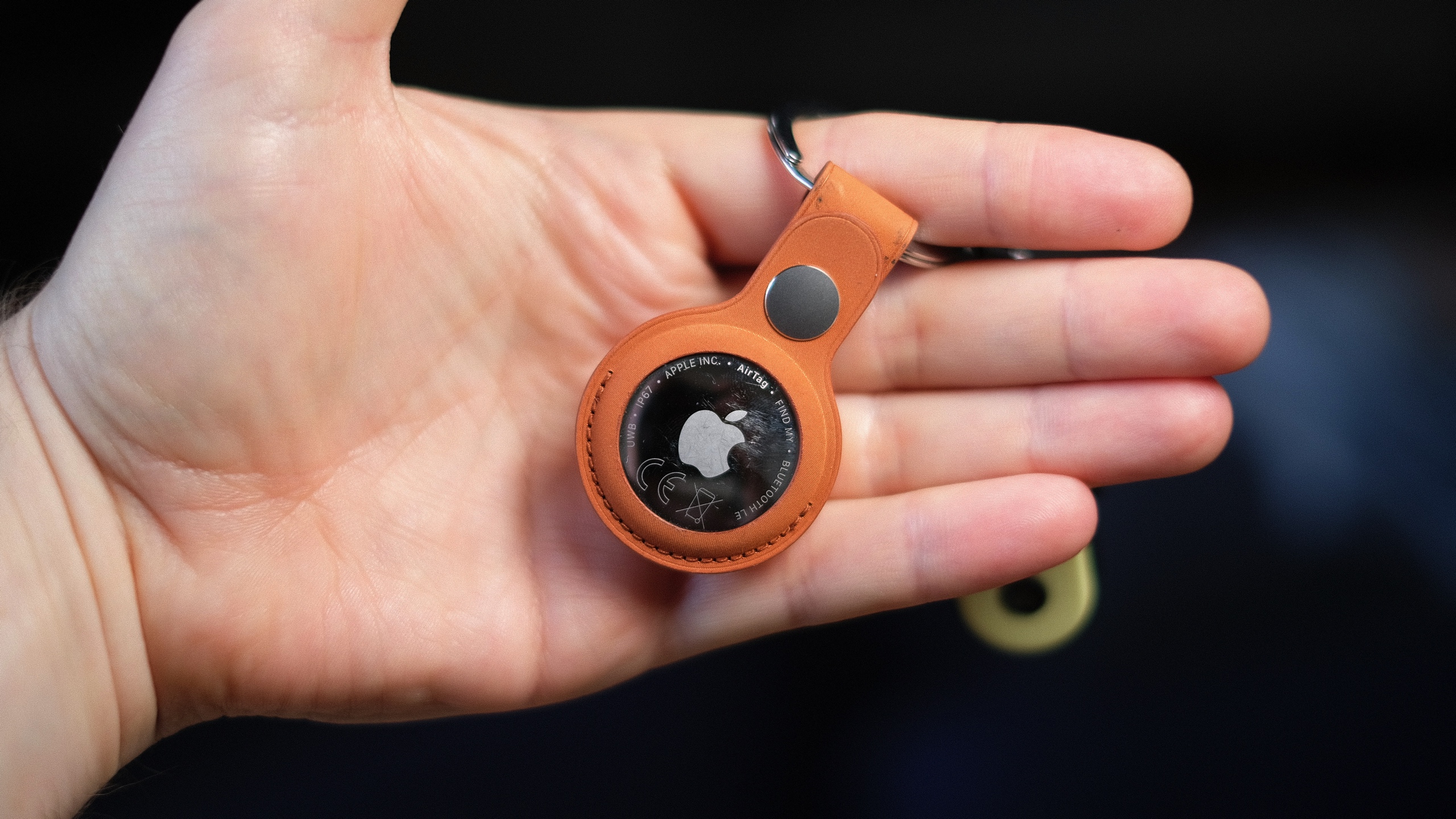
Beyond improved range, the new AirTag also sports a redesigned speaker assembly, purportedly making its audible alerts 50 percent louder. Engadget notes that a higher-pitched chime is particularly effective in cutting through ambient noise, making it easier to hear in busy public spaces or even when an item is tucked away inside a locker. This addresses a common critique of the original AirTag, where the sound could be too faint for urgent searches.
The physical design of the AirTag remains consistent: a discreet, coin-like device with no buttons or ports, featuring a stainless steel plate and a plastic enclosure now made with 85 percent recycled materials. Its compact size allows it to slip easily into pockets or wallets. Battery replacement is straightforward, involving rotating the backing off, a design that has proven secure enough to prevent accidental detachment.
Setup for the new AirTag is as seamless as its predecessor. Upon removing the battery pull-tab, a notification appears on a nearby iPhone, guiding users through naming the tracker and assigning it to an item. This integration within the Apple ecosystem ensures that the AirTag quickly becomes part of a user's existing Find My network.
The effectiveness of the AirTag is intrinsically linked to Apple's vast Find My network, which comprises over a billion active devices. This expansive network provides a tracking advantage that goes beyond standard GPS and Bluetooth, offering a greater chance of locating items even when out of direct Bluetooth range. Apple has also continued to enhance the Find My network and AirTag functionality through software updates. Features like sharing an AirTag via Family Sharing (introduced in iOS 17) and Share Item Location (in iOS 18.2) allow users to extend tracking capabilities to others, such as airlines or train companies, increasing the probability of recovery.
Safety features have also seen ongoing development. Apple has expanded unknown tracker alerts to Android devices without requiring a dedicated app and has reduced the time it takes for an AirTag to emit a sound when separated from its owner, shifting from a fixed three-day interval at launch to a random range between 8 and 24 hours. These updates underscore Apple's commitment to addressing privacy and security concerns while maintaining the utility of its tracking devices.
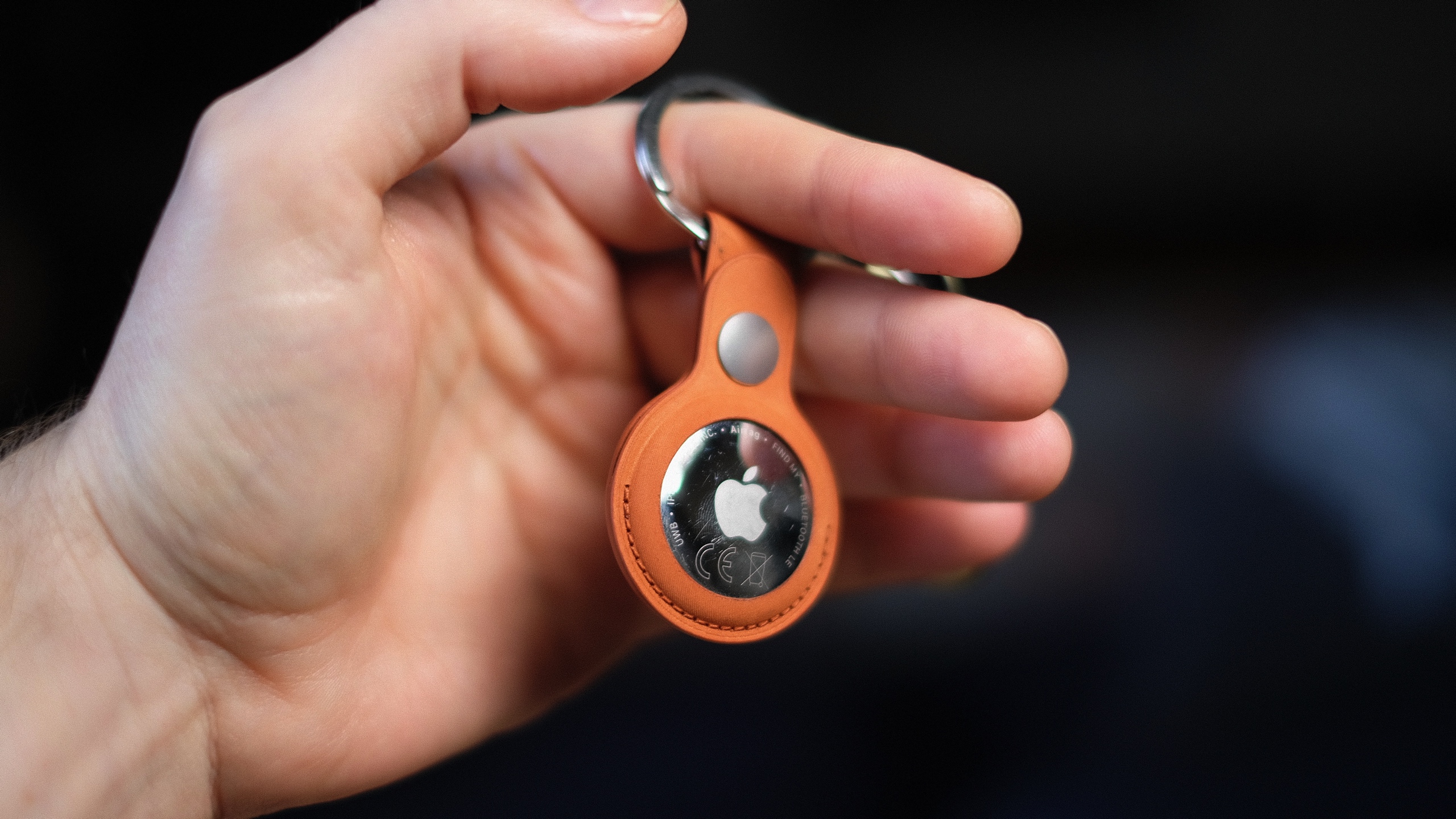
While the second-generation AirTag offers notable improvements, the question of whether existing users need to upgrade remains. Engadget suggests that for those with a single AirTag, repurposing an older unit for less critical items like luggage while upgrading to the new model for keys or wallets makes practical sense. The enhanced precision and range of the new AirTag provide greater peace of mind for more valuable or frequently used items.
The price point for the new AirTag remains $29, consistent with its predecessor. However, Apple's proprietary accessories for attaching the tracker to items continue to be a point of contention, with third-party options from manufacturers like Mophie and Belkin now available at more accessible price points, often around $15. This wider availability of third-party accessories helps mitigate the overall cost of integrating AirTags into daily life.
In summary, the second-generation Apple AirTag represents a solid iterative upgrade. Its enhanced Precision Finding range and louder, higher-pitched chime significantly improve its core tracking capabilities. Coupled with the robust Find My network and ongoing software enhancements, the AirTag continues to be a leading option for users seeking a simple, effective, and integrated solution for keeping track of their belongings within the Apple ecosystem.
This report was synthesized from information provided by Engadget and official Apple resources.