AI to Understand Human Behavior: How Procter & Gamble Used Computer Vision in 2026 to Revolutioni...
Procter & Gamble is leveraging AI and computer vision to understand human behavior at an unprecedented scale, transforming product development through synthetic data and 3D modeling. This innovation, combined with advanced code analysis tools, is reshaping how consumer goods companies interpret real-world interactions.

AI to Understand Human Behavior: How Procter & Gamble Used Computer Vision in 2026 to Revolutioni...
summarize3-Point Summary
- 1Procter & Gamble is leveraging AI and computer vision to understand human behavior at an unprecedented scale, transforming product development through synthetic data and 3D modeling. This innovation, combined with advanced code analysis tools, is reshaping how consumer goods companies interpret real-world interactions.
- 2AI to Understand Human Behavior: How Procter & Gamble Used Computer Vision in 2026 to Revolutionize Consumer Insights In 2026, Procter & Gamble achieved a landmark breakthrough in behavioral analytics by deploying AI to understand human behavior at unprecedented scale.
- 3Using advanced computer vision and photorealistic synthetic data, P&G’s R&D team, led by Director Oya Aran, now models how consumers interact with products—from brushing teeth to opening laundry bottles—in real home environments.
psychology_altWhy It Matters
- check_circleThis update has direct impact on the Yapay Zeka ve Toplum topic cluster.
- check_circleThis topic remains relevant for short-term AI monitoring.
- check_circleEstimated reading time is 2 minutes for a quick decision-ready brief.
AI to Understand Human Behavior: How Procter & Gamble Used Computer Vision in 2026 to Revolutionize Consumer Insights
In 2026, Procter & Gamble achieved a landmark breakthrough in behavioral analytics by deploying AI to understand human behavior at unprecedented scale. Using advanced computer vision and photorealistic synthetic data, P&G’s R&D team, led by Director Oya Aran, now models how consumers interact with products—from brushing teeth to opening laundry bottles—in real home environments.
How Computer Vision Captures Real-World Interactions
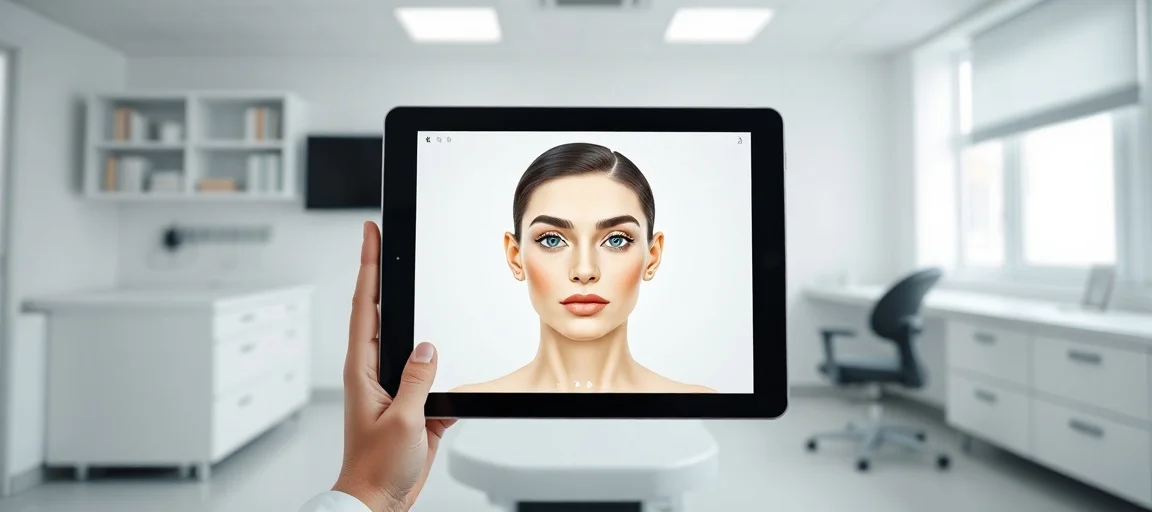
P&G’s AI systems analyze millions of video clips captured in natural settings, not labs. These systems track subtle gestures: how a user grips a toothpaste tube, adjusts a spray nozzle, or opens a child-proof cap. By mapping these micro-behaviors, the team identifies friction points invisible to surveys or focus groups.
The Role of Synthetic Data in Scaling Behavioral Models
Instead of recruiting thousands of participants, P&G generates diverse digital avatars representing global demographics, ages, and physical abilities. These synthetic users simulate real product interactions, yielding statistically significant insights while preserving privacy and accelerating research cycles by over 60%.
From Behavior to Design: AI-Driven Product Innovation
The insights from behavioral tracking directly inform packaging redesigns, product formulations, and usability enhancements. For example, AI detected that elderly users struggled with twist-off caps—leading to a new easy-grip design that boosted satisfaction scores by 32% in beta markets.
Why P&G Leads the Pack in Behavioral AI
While startups and universities explore similar concepts, P&G’s edge lies in its global data infrastructure and operational maturity. No other consumer goods company combines real-world behavioral datasets with AI models refined over decades of product testing. This creates a self-improving feedback loop: data refines models, and models uncover deeper behavioral patterns.
Industry analysts now view P&G’s approach as the new standard for consumer product innovation. By integrating computer vision, synthetic simulation, and behavioral analytics, the company doesn’t just predict user needs—it anticipates them before they’re expressed.
As AI to understand human behavior becomes central to R&D across retail, healthcare, and automotive sectors, P&G’s 2026 model is setting the blueprint for how companies will perceive—and serve—their customers in the future.