AI Leaps from Virtual to Physical: New Era of Robots and Risks
Artificial intelligence is rapidly transitioning from digital realms to tangible applications, with self-driving cars and advanced robotics poised to reshape industries and daily life. This physical AI revolution, however, brings a new spectrum of potential risks alongside unprecedented capabilities.

The era of artificial intelligence confined to the digital sphere is drawing to a close. AI, long a powerful tool for generating text and analyzing data, is now increasingly manifesting in the physical world, heralding a transformative shift with profound implications.
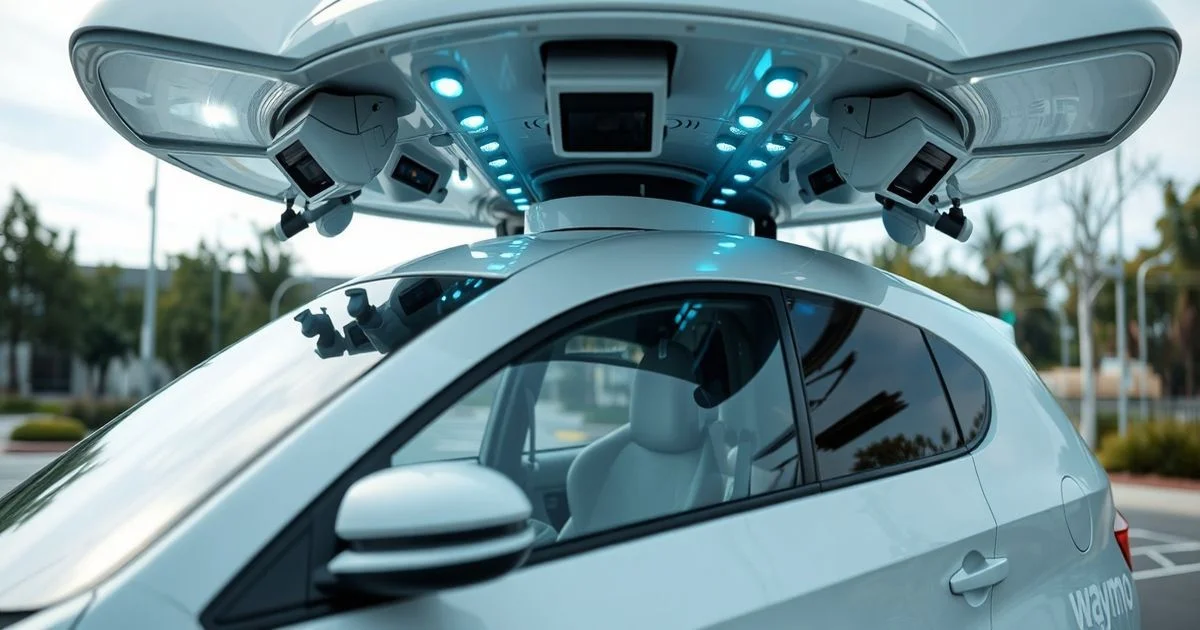
Experts predict that 2026 will mark a significant acceleration in this transition, as AI moves beyond virtual tasks to directly interact with and manipulate the physical environment. This evolution is already evident in the burgeoning field of autonomous vehicles, with companies like Waymo and Zoox reportedly providing hundreds of thousands of paid rides weekly. These self-driving cars, powered by sophisticated AI models and deep learning, are becoming demonstrably safer and more efficient than human drivers, learning and adapting to road conditions in real-time.
The advancements in AI are not limited to transportation. The integration of artificial intelligence with humanoid robots is opening new frontiers for automation and labor. While traditional industrial robots are typically programmed for single, repetitive tasks, AI-powered robots are being developed to learn and perform a diverse range of functions. This could revolutionize manufacturing and logistics, allowing robots to assemble products and then manage inventory with greater flexibility.
Beyond industrial applications, AI-driven robots are emerging as a potential solution to critical labor shortages, particularly in the elder care sector. As global populations age, the demand for caregivers is outstripping supply. In countries like Japan, robots are beginning to fill these crucial roles, assisting with daily tasks such as cooking, cleaning, and personal care. Advanced AI, including large language models (LLMs), could enable these robots to not only perform physical duties but also provide companionship and cognitive support, such as reminding individuals with memory challenges about medication schedules.
However, this leap into the physical realm introduces a new set of challenges and risks. While the consequences of AI errors in the virtual world are typically minor – a poorly written blog post or an inaccurate recipe – failures in physical AI can have immediate and potentially severe repercussions. An autonomous vehicle malfunctioning could lead to accidents, and industrial robots, if not properly managed, pose physical dangers to human workers. As reported by Yahoo News, a peer-reviewed study in Science Journal warns of the potential for "AI swarms" to infiltrate social media, spreading misinformation and mimicking human behavior to undermine democratic processes and individual thought. This highlights the need for robust cybersecurity and ethical frameworks to prevent manipulation.
The inherent unpredictability of LLMs, a core component of many advanced AI systems, presents a significant concern when these technologies are deployed in physical systems. The case of an AI teddy bear that provided inappropriate advice to children serves as a stark reminder. Unlike traditional deterministic software, LLMs can produce unexpected outputs, making their behavior difficult to anticipate. This nondeterministic nature, while contributing to their power and adaptability, also raises the specter of unintended consequences and failures, potentially leading to chaotic or even catastrophic outcomes.
As AI becomes increasingly embedded in our physical infrastructure, from power grids to transportation networks, the potential for both extraordinary benefits and significant risks escalates. The coming years will demand careful consideration of safety protocols, ethical guidelines, and robust oversight to harness the transformative power of physical AI responsibly, ensuring that its integration into our world leads to progress rather than peril.