AI in Practice: How Water Utilities and Recruiters Are Transforming in 2026
Water utilities are replacing traditional listening sticks with AI-driven leak detection, while recruiters use AI to find perfect candidates. This article explores how AI in practice is reshaping industries from water management to executive search.

AI in Practice: How Water Utilities and Recruiters Are Transforming in 2026
summarize3-Point Summary
- 1Water utilities are replacing traditional listening sticks with AI-driven leak detection, while recruiters use AI to find perfect candidates. This article explores how AI in practice is reshaping industries from water management to executive search.
- 2The integration of AI in practice is rapidly transforming industries traditionally reliant on manual processes.
- 3From water utilities replacing listening sticks with smart sensors to executive recruiters using AI to identify top talent, artificial intelligence is no longer a futuristic concept—it’s a 2026 operational imperative.
psychology_altWhy It Matters
- check_circleThis update has direct impact on the Yapay Zeka ve Toplum topic cluster.
- check_circleThis topic remains relevant for short-term AI monitoring.
- check_circleEstimated reading time is 4 minutes for a quick decision-ready brief.
The integration of AI in practice is rapidly transforming industries traditionally reliant on manual processes. From water utilities replacing listening sticks with smart sensors to executive recruiters using AI to identify top talent, artificial intelligence is no longer a futuristic concept—it’s a 2026 operational imperative. This shift is driven by aging infrastructure, rising operational costs, and a tightening labor market demanding smarter solutions.
AI Leak Detection in Water Utilities
For decades, water utilities relied on acoustic listening sticks to detect leaks—a slow, subjective method with low accuracy. Today, AI-powered acoustic sensors and machine learning models analyze real-time sound patterns across vast pipe networks, reducing false positives by up to 70% and cutting response times from days to hours.
Modern systems like AI-driven predictive maintenance don’t just detect leaks—they forecast where failures are likely to occur next, enabling proactive repairs. This transforms water infrastructure optimization from reactive to anticipatory.
Key Benefits of AI Leak Detection:
- Reduces non-revenue water loss by up to 30%
- Minimizes costly emergency repairs and service disruptions
- Extends pipe lifespan through early intervention
- Integrates with SCADA and GIS systems for centralized monitoring
Transforming Recruiting with AI in the Water Industry
The water sector faces a looming talent crisis: nearly 40% of its workforce will retire by 2030. To fill critical roles—from engineers to operations managers—utilities are turning to AI-driven HR analytics to identify candidates with both technical expertise and cultural alignment.
Platforms now scan resumes for keywords like "predictive maintenance," "hydraulic modeling," and "regulatory compliance," while using natural language processing to assess cover letters for problem-solving aptitude. But as Hunter Crown notes, AI identifies potential—it doesn’t cultivate trust.
AI + Human Strategy for Water Industry Talent:
- Use AI to screen 1,000+ applicants in minutes
- Deploy human recruiters to assess emotional intelligence and leadership potential
- Target students via partnerships with community colleges and HBCUs
- Offer clear career ladders and tuition reimbursement to attract Gen Z
The Hidden Water Cost of AI Data Centers
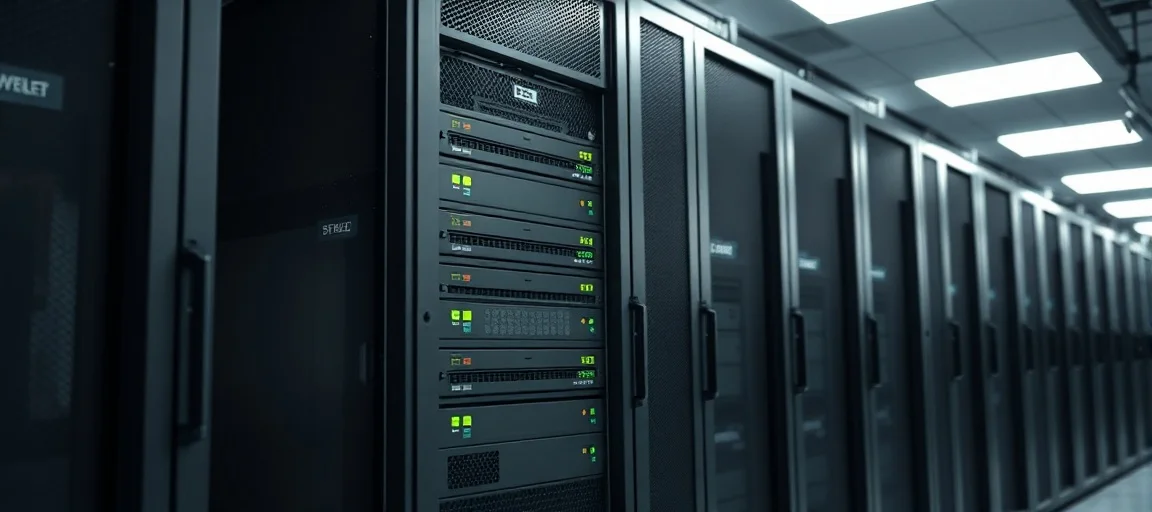
While AI helps utilities conserve water, it also demands it. Training large language models for AI recruiting tools or predictive analytics requires massive data centers, each consuming up to 2 million gallons of water daily for cooling—equivalent to the usage of a small town.
This paradox underscores a critical truth: water utilities must adopt AI not only to manage their own systems but also to serve the growing water demands of the AI industry itself. Municipal systems under stress must now plan for dual roles—supplier and consumer.
Strategies for Sustainable AI Integration:
- Partner with tech firms to co-develop water-efficient cooling tech
- Advocate for regional water-use reporting standards for data centers
- Invest in closed-loop cooling systems to reduce freshwater dependence
- Use AI to model water demand from AI infrastructure in long-term planning
In conclusion, AI in practice is reshaping the water industry from the pipe to the payroll. Smart sensors reduce waste, algorithms accelerate hiring, and data centers create new water pressures. The winners in 2026 won’t be those who use AI most—but those who balance it with human insight, sustainability, and strategic vision.
Explore our AI tools for water infrastructure optimization | Discover AI-powered executive search platforms