AI-Enabled Autonomous Robots: Nvidia & ABB Launch Virtual Training Platform with Foxconn in 2026
Nvidia and ABB have launched a groundbreaking partnership to transform AI-enabled autonomous robot training using virtual simulations, with Foxconn trialing the technology in industrial settings. The collaboration marks a pivotal shift in manufacturing automation.

AI-Enabled Autonomous Robots: Nvidia & ABB Launch Virtual Training Platform with Foxconn in 2026
summarize3-Point Summary
- 1Nvidia and ABB have launched a groundbreaking partnership to transform AI-enabled autonomous robot training using virtual simulations, with Foxconn trialing the technology in industrial settings. The collaboration marks a pivotal shift in manufacturing automation.
- 2AI-Enabled Autonomous Robots: Nvidia & ABB Launch Virtual Training Platform with Foxconn in 2026 Nvidia and ABB have partnered to launch a groundbreaking AI-powered virtual training platform for autonomous robots — now being piloted by Foxconn in its new AI-driven manufacturing facility in Houston, Texas.
- 3Leveraging Nvidia’s Omniverse and ABB’s industrial robotics, this solution uses digital twins and reinforcement learning to train robots in simulated factory environments, slashing deployment time by up to 70% and eliminating costly physical trials.
psychology_altWhy It Matters
- check_circleThis update has direct impact on the Robotik ve Otonom Sistemler topic cluster.
- check_circleThis topic remains relevant for short-term AI monitoring.
- check_circleEstimated reading time is 3 minutes for a quick decision-ready brief.
AI-Enabled Autonomous Robots: Nvidia & ABB Launch Virtual Training Platform with Foxconn in 2026
Nvidia and ABB have partnered to launch a groundbreaking AI-powered virtual training platform for autonomous robots — now being piloted by Foxconn in its new AI-driven manufacturing facility in Houston, Texas. Leveraging Nvidia’s Omniverse and ABB’s industrial robotics, this solution uses digital twins and reinforcement learning to train robots in simulated factory environments, slashing deployment time by up to 70% and eliminating costly physical trials.
How Omniverse Powers Virtual Robot Training
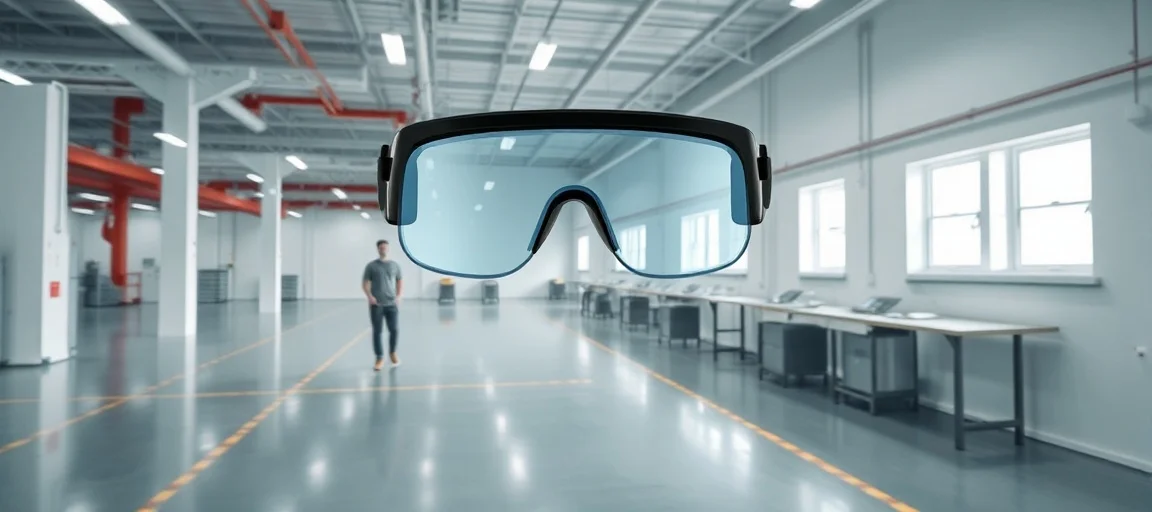
Nvidia’s Omniverse platform creates photorealistic digital twins of real-world factory floors, enabling robots to practice complex tasks like precision assembly and quality inspection in real time. These simulations replicate dynamic conditions — moving conveyors, lighting changes, and human interaction — allowing robots to learn through trial and error without disrupting production.
By integrating ABB’s robot control systems with Nvidia’s AI models, the platform enables continuous learning. Robots refine their movements using reinforcement learning algorithms, improving accuracy with every virtual iteration. This simulation-to-reality transfer reduces calibration time and boosts task success rates from 60% to over 95% in pilot tests.
Foxconn’s Houston Pilot: Real-World Results
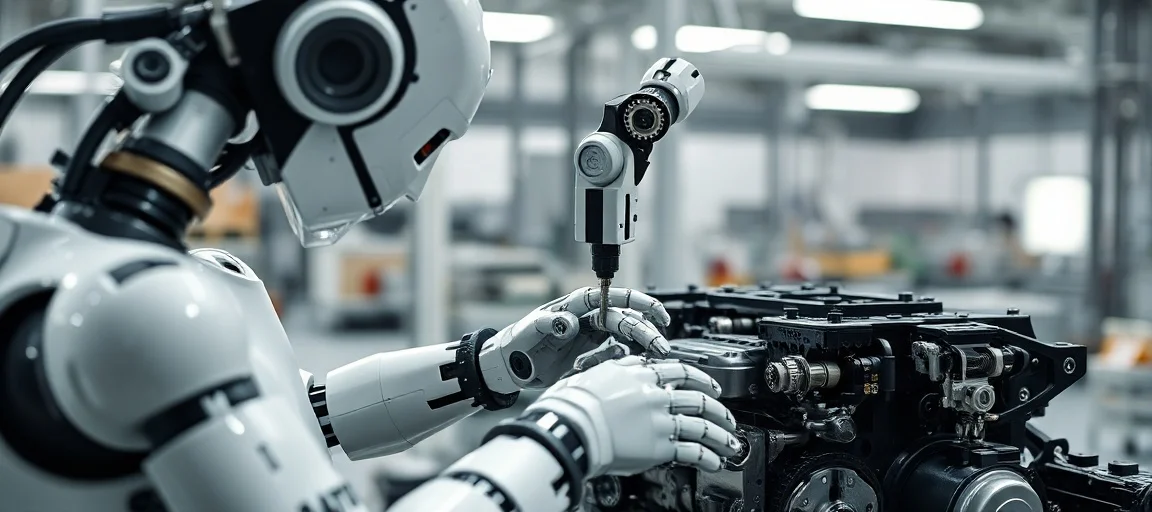
Foxconn is deploying these AI-enabled autonomous robots in its Houston facility to handle high-precision tasks previously requiring manual labor or rigid programming. Initial results show a 65% reduction in downtime and a 90% drop in defect rates during quality inspection cycles.
Unlike traditional industrial arms, these systems adapt to new products without reprogramming. When Foxconn switches product lines — say, from smartphone components to medical devices — the robots retrain in hours using updated simulation datasets, not weeks of manual coding.
The Future of AI in Industrial Automation
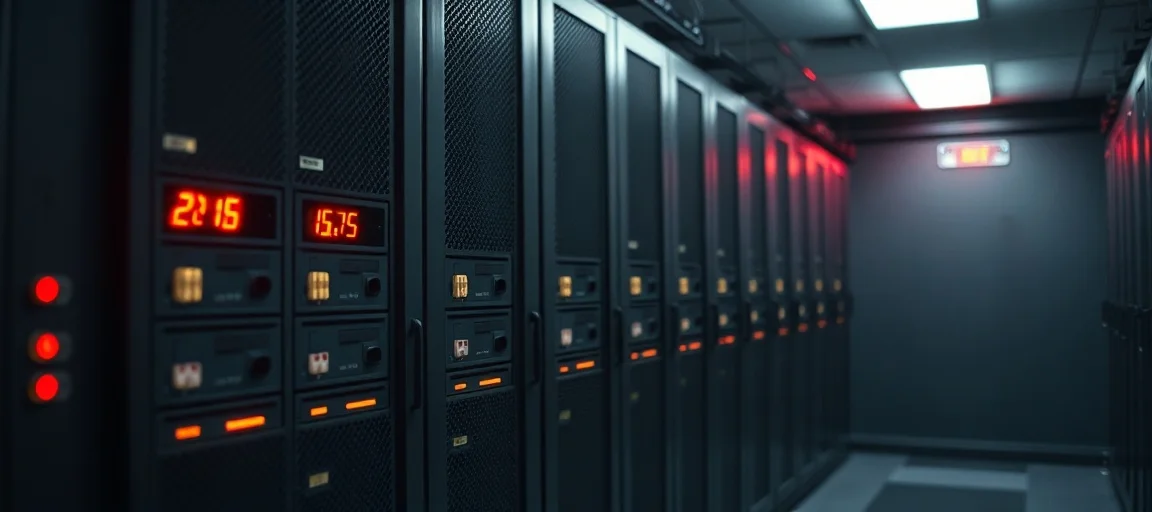
This collaboration extends beyond robots. Nvidia and ABB are co-designing AI-optimized data centers to process sensor streams from factory floors, enabling predictive maintenance, anomaly detection, and real-time workflow optimization — core pillars of the AI industrial revolution.
As global supply chains shift toward nearshoring, this end-to-end ecosystem — combining simulation, AI, and hardware — makes high-precision automation accessible and cost-effective for mid-sized manufacturers. Analysts predict this model could reduce global manufacturing lead times by up to 40% by 2028.
Why Digital Twins Are the New Factory Floor
Digital twins aren’t just visual replicas — they’re live, data-driven replicas that mirror physical robots in real time. Every movement, sensor reading, and error is logged and analyzed, turning factories into self-optimizing systems. This transforms maintenance from reactive to predictive, reducing unplanned outages by up to 50%.
Reinforcement Learning: The Brain Behind Autonomous Robots
Traditional robots follow static code. These AI-enabled systems use reinforcement learning to reward successful actions and penalize failures in simulation. Over thousands of virtual trials, they develop intuitive decision-making — like adjusting grip force on fragile components or rerouting around obstacles — mimicking human adaptability without human oversight.
As Foxconn scales this technology across its global network, the ABB-Nvidia-Foxconn ecosystem is setting the new standard for AI-driven factories. The future of industrial automation isn’t just automated — it’s intelligent, adaptive, and born in simulation.