AI and Computer Vision in 2026: How Disney Imagineering Creates Smarter Guest Experiences
AI and computer vision are revolutionizing Disney Imagineering’s guest experiences, enabling lifelike robotic characters and immersive holographic environments. From conversational droids to 3D LED liminal spaces, the technology is redefining theme park storytelling.

AI and Computer Vision in 2026: How Disney Imagineering Creates Smarter Guest Experiences
summarize3-Point Summary
- 1AI and computer vision are revolutionizing Disney Imagineering’s guest experiences, enabling lifelike robotic characters and immersive holographic environments. From conversational droids to 3D LED liminal spaces, the technology is redefining theme park storytelling.
- 2AI and Computer Vision in 2026: How Disney Imagineering Creates Smarter Guest Experiences In 2026, AI and computer vision are redefining theme park immersion as Disney Imagineering deploys intelligent systems that recognize, respond to, and anticipate guest behavior with unprecedented precision.
- 3How AI Recognizes Guest Emotions in Real Time Disney’s robotic characters now use real-time facial recognition and voice sentiment analysis to adapt interactions dynamically.
psychology_altWhy It Matters
- check_circleThis update has direct impact on the Robotik ve Otonom Sistemler topic cluster.
- check_circleThis topic remains relevant for short-term AI monitoring.
- check_circleEstimated reading time is 3 minutes for a quick decision-ready brief.
AI and Computer Vision in 2026: How Disney Imagineering Creates Smarter Guest Experiences
In 2026, AI and computer vision are redefining theme park immersion as Disney Imagineering deploys intelligent systems that recognize, respond to, and anticipate guest behavior with unprecedented precision. From conversational droids to holographic 3D projections, these technologies are no longer experimental—they’re the backbone of next-generation guest experiences.
How AI Recognizes Guest Emotions in Real Time
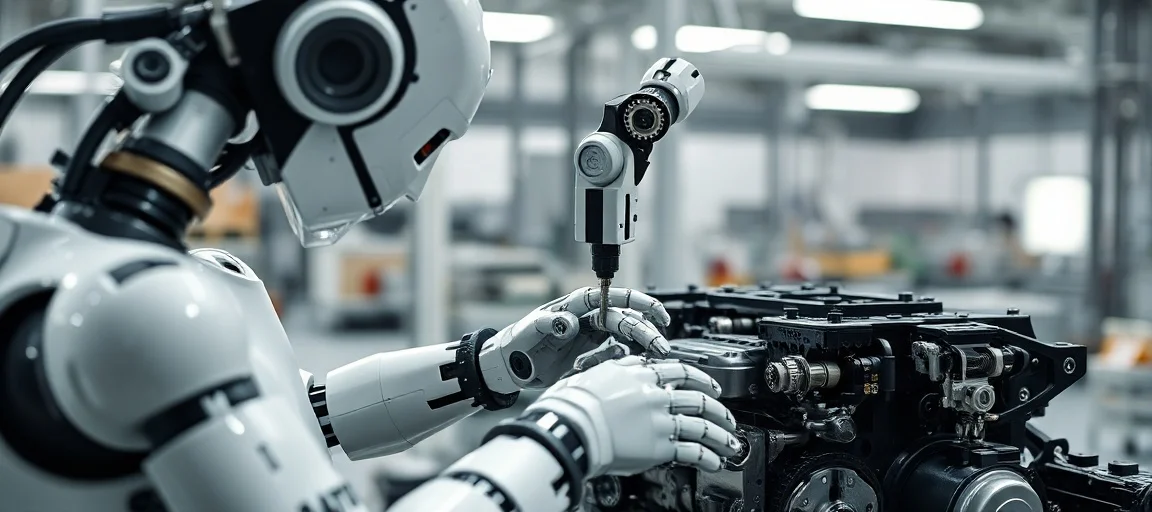
Disney’s robotic characters now use real-time facial recognition and voice sentiment analysis to adapt interactions dynamically. Powered by machine learning models trained on over 10 million human expressions, these AI-driven animatronics adjust tone, movement, and dialogue based on a guest’s smile, frown, or excitement level—making every encounter feel uniquely personal.
Behind the Scenes: Holographic 3D LED and Liminal Spaces
Disney Imagineering’s cutting-edge holographic 3D LED tech blends physical sets with projected environments to create "liminal spaces"—illusions where characters appear to step out of paintings or materialize from thin air. Depth-sensing cameras and computer vision track guest positions with millisecond accuracy, ensuring projections align perfectly with movement and perspective.
Conversational Droids in Star Wars: Galaxy’s Edge
At Star Wars: Galaxy’s Edge, droids like BB-8 and new AI-powered droid companions now engage in context-aware conversations. Using natural language processing and voice pattern recognition, these droids remember past interactions, reference guest names, and even respond to childlike tone or whispered questions—turning queues into immersive storytelling moments.
AI-Powered Cast Member Augmented Reality
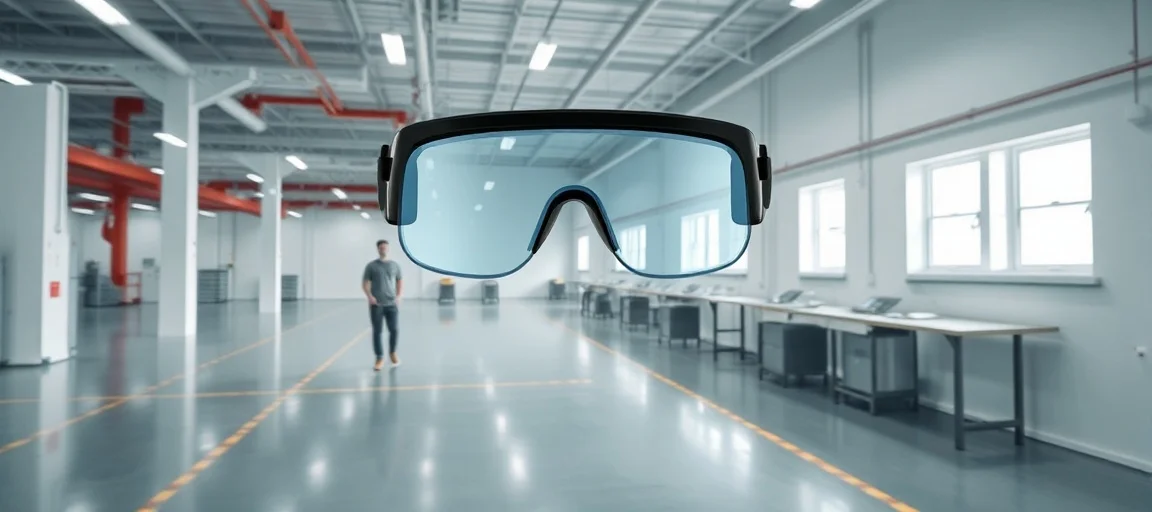
Cast members wear lightweight AR glasses that overlay real-time guest profiles: preferences, past interactions, and even emotional cues detected via anonymized computer vision. This allows staff to offer personalized greetings or proactive assistance—like suggesting a favorite snack before it’s asked for—creating what Imagineers call "empathetic environments."
Safety, Privacy, and Ethical AI in the Parks
Computer vision systems monitor queues for overcrowding, detect distress signals through body language, and alert staff if a child wanders from their group—all without identifying individuals. Data is processed on-device using edge computing, ensuring privacy while maintaining safety standards that exceed industry norms.
At the core of these innovations is a unique fusion of storytellers, AI researchers, and roboticists—all united by one goal: technology that serves narrative, not spectacle. As Doug Fidaleo will demonstrate at the OpenCV-SID Conference 2026, the true magic isn’t in the sensors or algorithms—it’s in the emotional connection they enable.
By 2026, Disney Imagineering has set a global benchmark: AI and computer vision aren’t just tools—they’re invisible architects of wonder, transforming passive observation into deeply personal, emotionally resonant experiences. The future of theme parks isn’t just smarter—it’s more human.