AI and Automotive: The Revolution in Tomorrow's Smart Vehicles
Artificial intelligence is transforming automotive design, manufacturing, and driving experiences. Turkey is emerging as a key player in this global shift.

AI and Automotive: The Revolution in Tomorrow's Smart Vehicles
summarize3-Point Summary
- 1Artificial intelligence is transforming automotive design, manufacturing, and driving experiences. Turkey is emerging as a key player in this global shift.
- 2Artificial intelligence and the automotive industry have become one of the most transformative technological intersections of the 21st century.
- 3AI integration in automotive is redefining not only autonomous driving but also production processes, customer experience, and cybersecurity.
psychology_altWhy It Matters
- check_circleThis update has direct impact on the Yapay Zeka topic cluster.
- check_circleThis topic remains relevant for short-term AI monitoring.
- check_circleEstimated reading time is 2 minutes for a quick decision-ready brief.
Artificial intelligence and the automotive industry have become one of the most transformative technological intersections of the 21st century. AI integration in automotive is redefining not only autonomous driving but also production processes, customer experience, and cybersecurity. In recent years, Turkey’s automotive ecosystem has gained global attention by adopting AI-powered solutions—from predictive maintenance to smart logistics—boosting production efficiency by up to 40%.
AI-Powered Autonomous Vehicles: Dream or Reality?
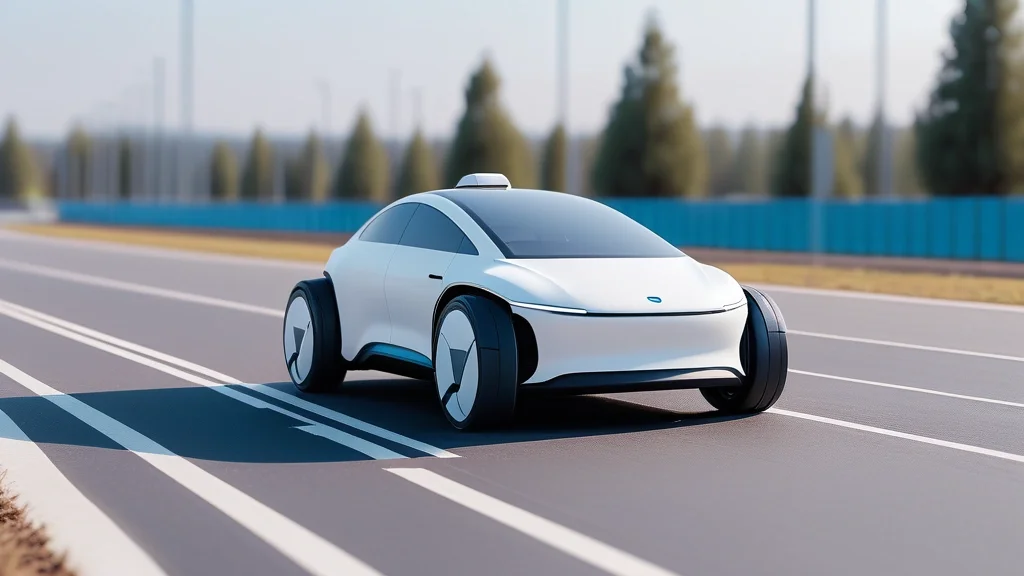
In autonomous vehicles, artificial intelligence processes real-time data from cameras, radar, LIDAR, and ultrasonic sensors to make split-second decisions. Deep learning algorithms analyze pedestrian movements, vehicle speeds, and road conditions to offer a decision-making intelligence that surpasses human reaction times. These systems reduce traffic accidents by up to 90%, according to industry studies. Companies like Çetaş are advancing object recognition and path-planning algorithms, pushing the industry toward Level 4 and Level 5 autonomy.
Consumer Expectations and Data Ethics
Consumer expectations are no longer limited to engine power or design—they now prioritize intelligence, personalized experiences, and data privacy. AI enables vehicles to learn driver habits and automatically adjust climate settings, music playlists, and route suggestions. However, this data collection raises critical cybersecurity and ethical concerns. According to Webtures, 78% of consumers reject the sale of vehicle data to third parties. As a result, manufacturers are investing heavily in transparent data policies and end-to-end encryption protocols.
Turkey’s AI ecosystem is rapidly evolving through strong university-industry collaborations. Algorithms developed at Koç University, Bilkent, and METU are now being integrated into domestic vehicle platforms. This surge has created high demand for local software engineers and AI specialists. The future of the automotive industry is no longer defined by metal and combustion engines—it’s built on data, algorithms, and artificial intelligence.